
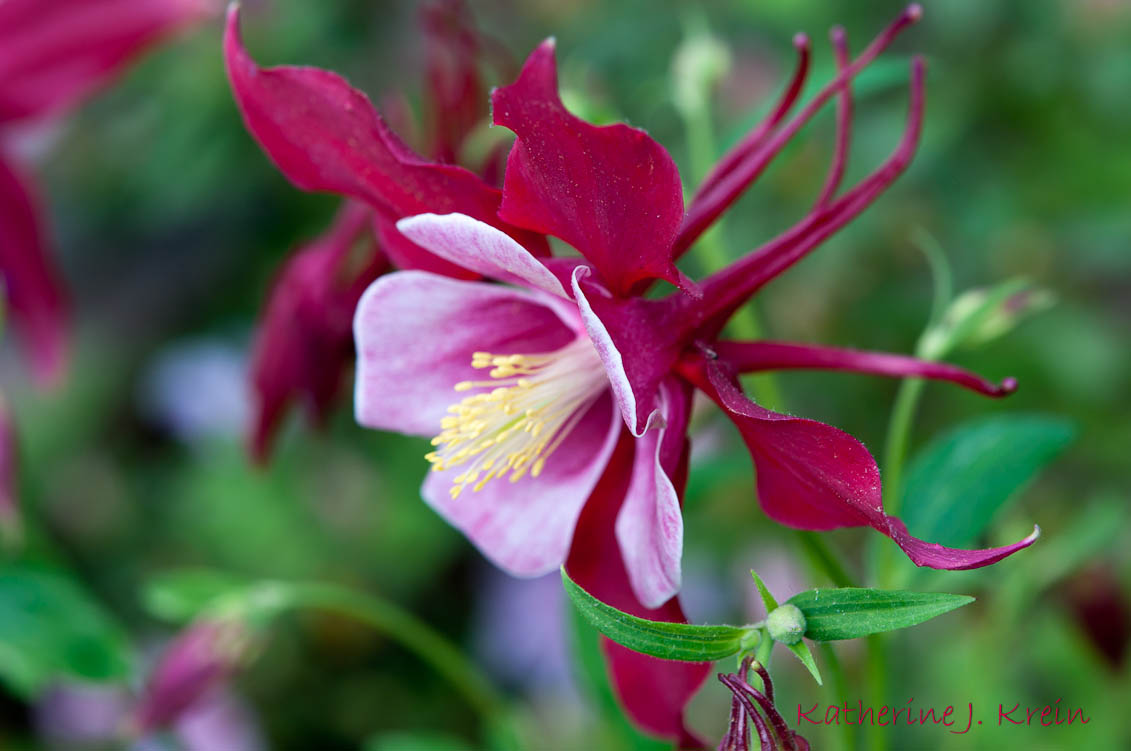
Aquilegia is the genus name. It comes from the Latin word for eagle, aquila.
There is a constellation with the name Aquila.
See it here:https://chandra.harvard.edu/photo/constellations/aquila.html
Aquilegia is the genus name. It comes from the Latin word for eagle, aquila. There is a constellation with the name Aquila. See it here:https://chandra.harvard.edu/photo/constellations/aquila.html
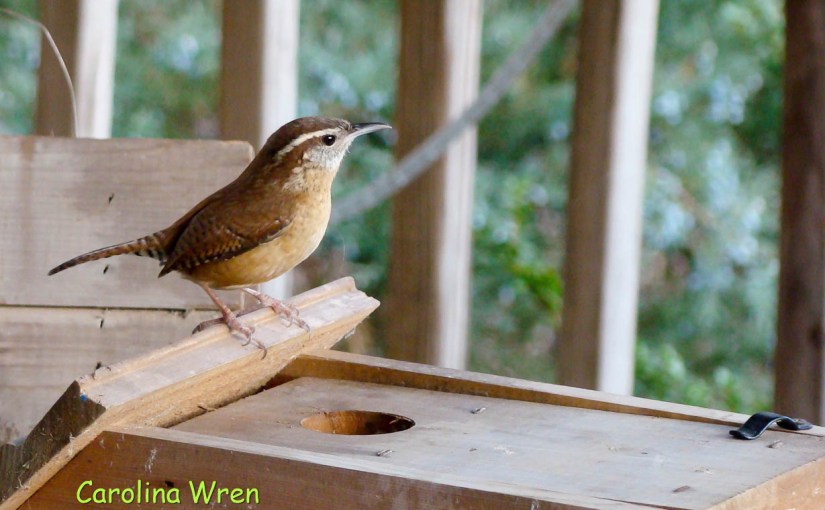
Looking out my kitchen window this morning I saw a molting Carolina Wren at the suet feeder.
It reminded me of the picture above. This picture was taken many years ago,
and it was recently rediscovered.Yesterday after reading an online article about birds,
I finally realized the sad story that this picture tells.

As you can see the Carolina Wren sits atop a wooden birdhouse. The time of year was late fall.
The birdhouse had been attached to our back fence, though it had never been very secure.
Some big birds would regularly knock it down. It was on the ground when I picked it up and decided to take it in.
On our deck I had opened it and found a big tuft of auburn colored human hair, almost the same color as this bird.
I remember how odd this was. I had not been cutting hair, and no one in my family had that color of hair.
Some bird had found this hair somewhere in some other yard or space and filled the bird house with it.

The article that I read the other day told us to keep our bird houses up because some birds spend the winter in them.
It specifically mentioned the Carolina Wren.Suddenly I realized the mistake that I had made. This Carolina Wren was trying to reclaim its home that it must have painstakingly filled with hair to keep warm throughout the winter.

It is hard to remember what I did with the hair. I hope I left it outside, so it could be reclaimed.
We do have many alcoves throughout our property that this little bird hopefully found to nest in for the winter.

I always have good intentions for the wildlife that find a home within our garden. However this showcases how dumb mistakes can be made without fully thinking things through. I find solace in the fact that most people make mistakes.
Even worse...many people do not even care.

I do feel confidant that our little wren here was resilient. They are one of the cutest and loudest birds to grace a garden.
It started with a dream of building a pond to grow water lilies.
The expectation is to have fish, however, this was not my first intent.
I had been building my garden for about six years before we put in the pond.
I had built up the yard with truck loads of dirt.
A wall was built to hold the dirt in place and stop erosion.
A patio was built to blend and level the yard with the deck.
My goal had always been to build a beautiful habitat for relaxation,
and to hopefully attract some wildlife to our yard.
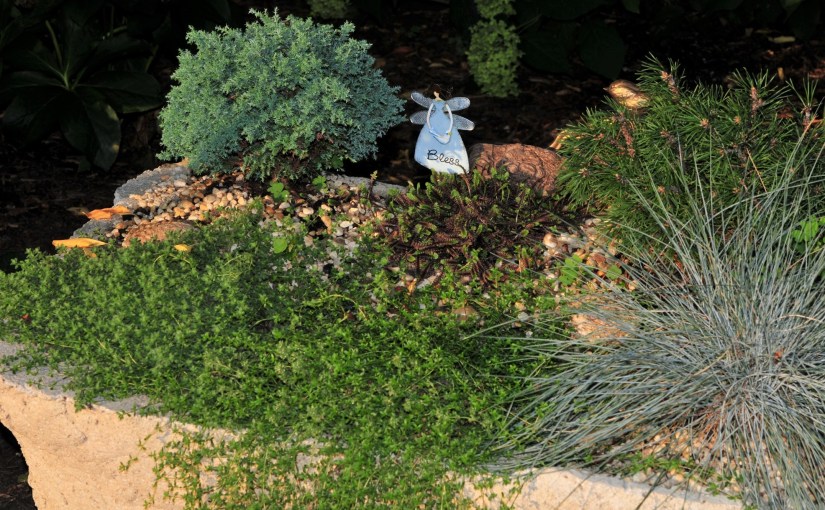
The miniature garden tub you see above was built by me.
It was more difficult to make than I expected.
Thankfully it turned out pretty well, and it still holds strong.
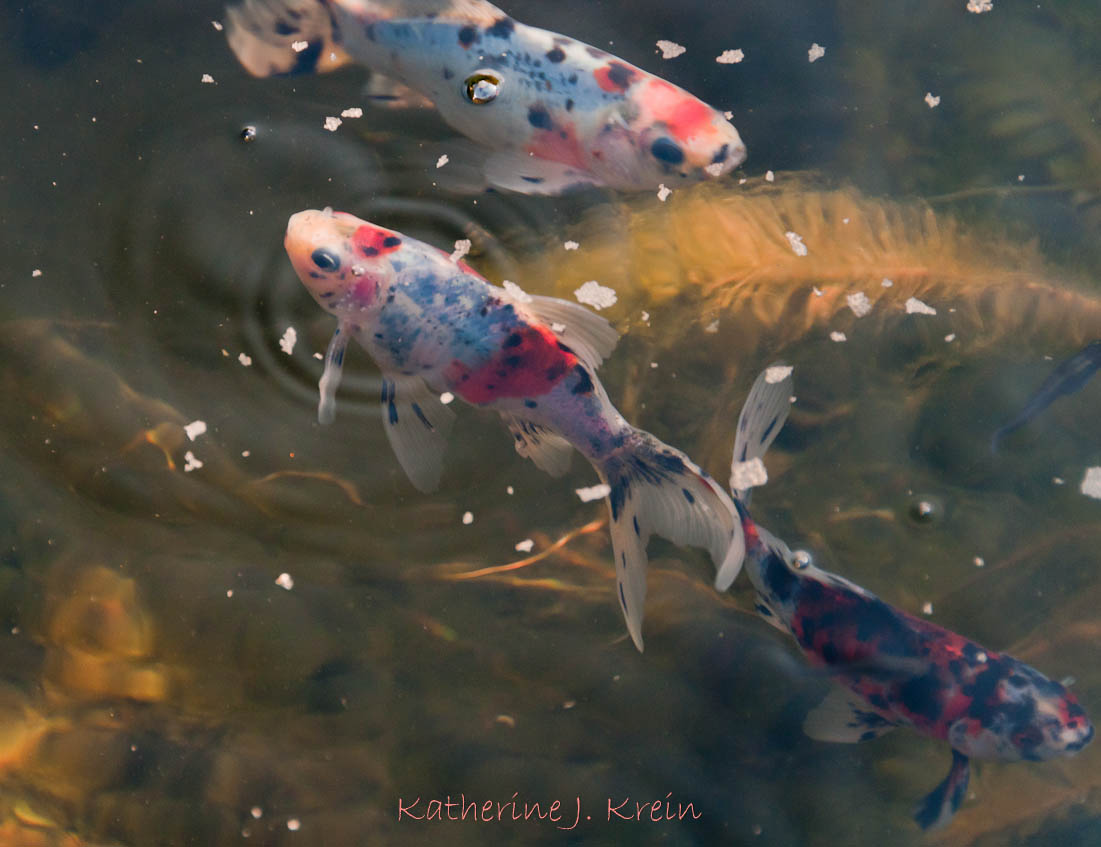
My daughter named these fish Prince, Purple Rain, and Thunder.
They were very small when the pond became their home.
They grew fast throughout the summer.
Only one made it through the winter to live another summer.
The dragonflies and frogs arrived soon after.
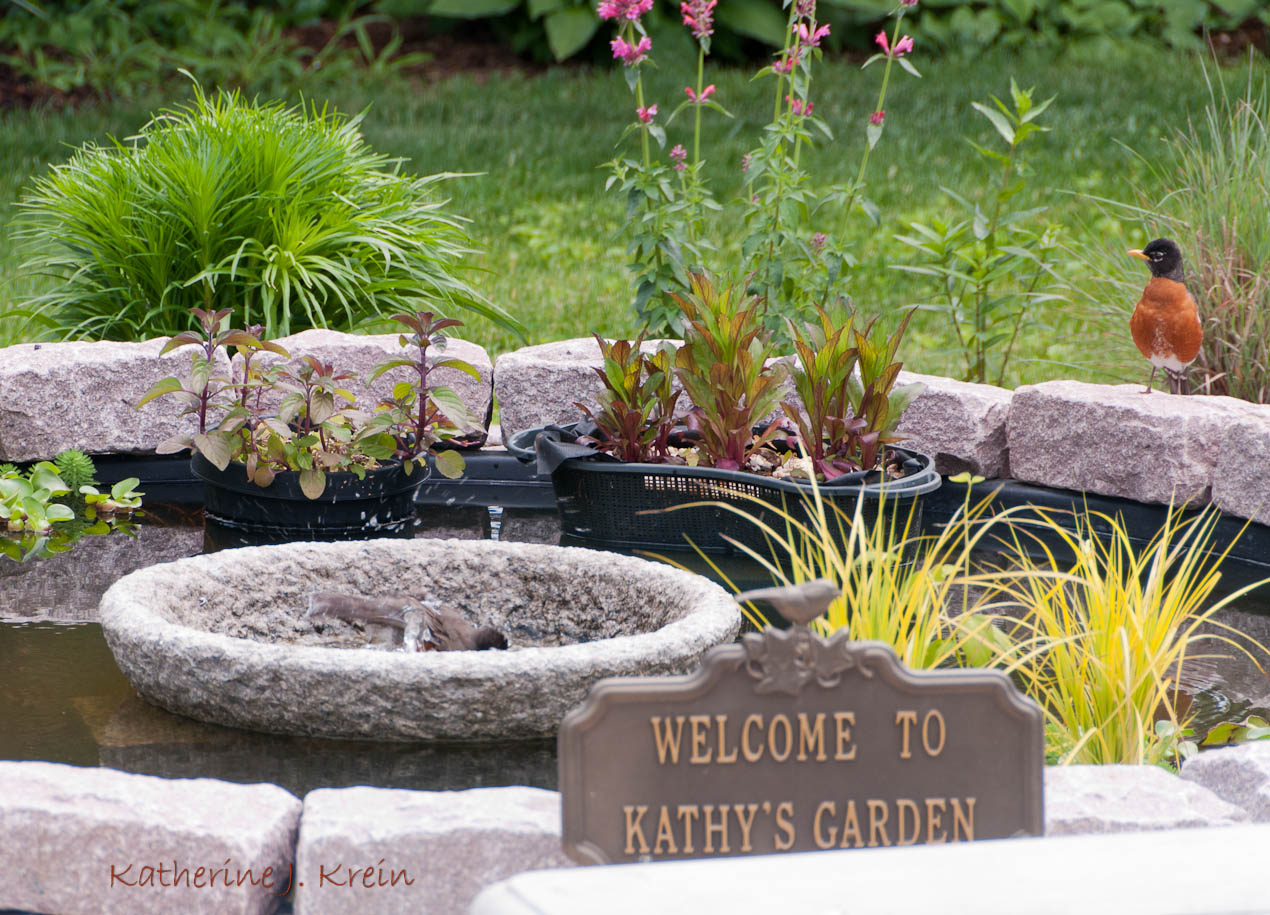
The birds arrived in the beginning.
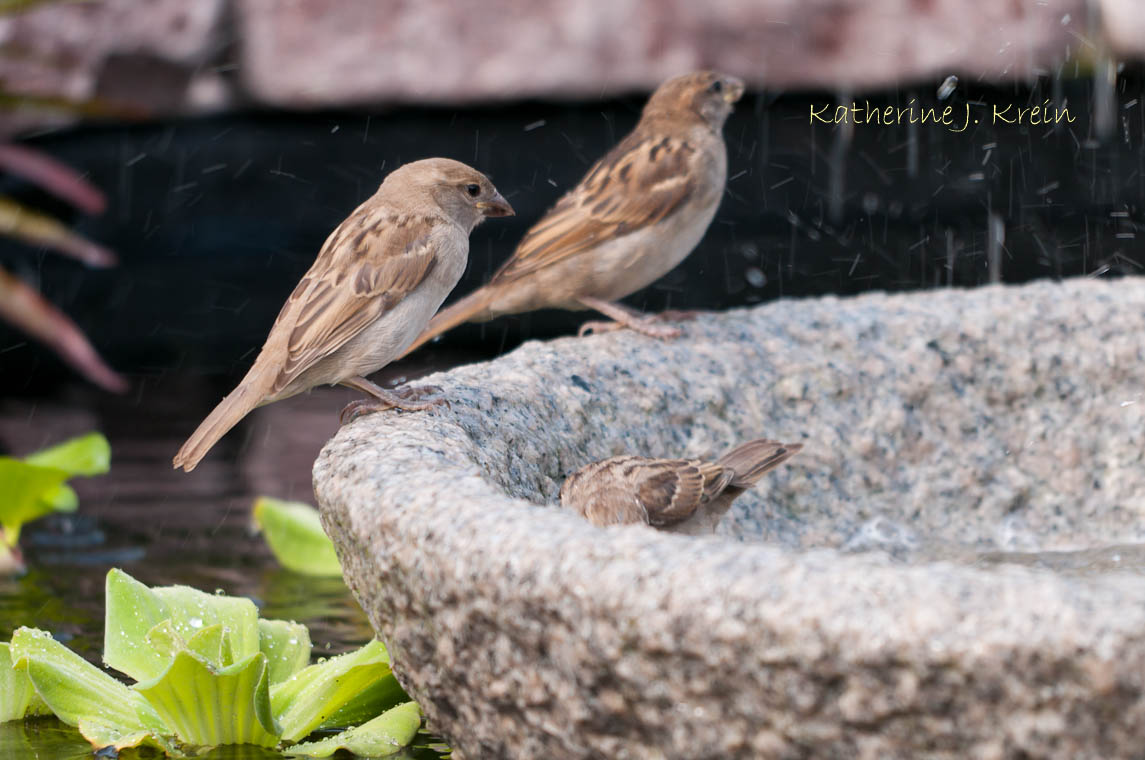
Here a robin stands guard while another robin takes a bath.
Soon the robins were crowded out by other birds.
The size of the water spout determines which birds will bathe.
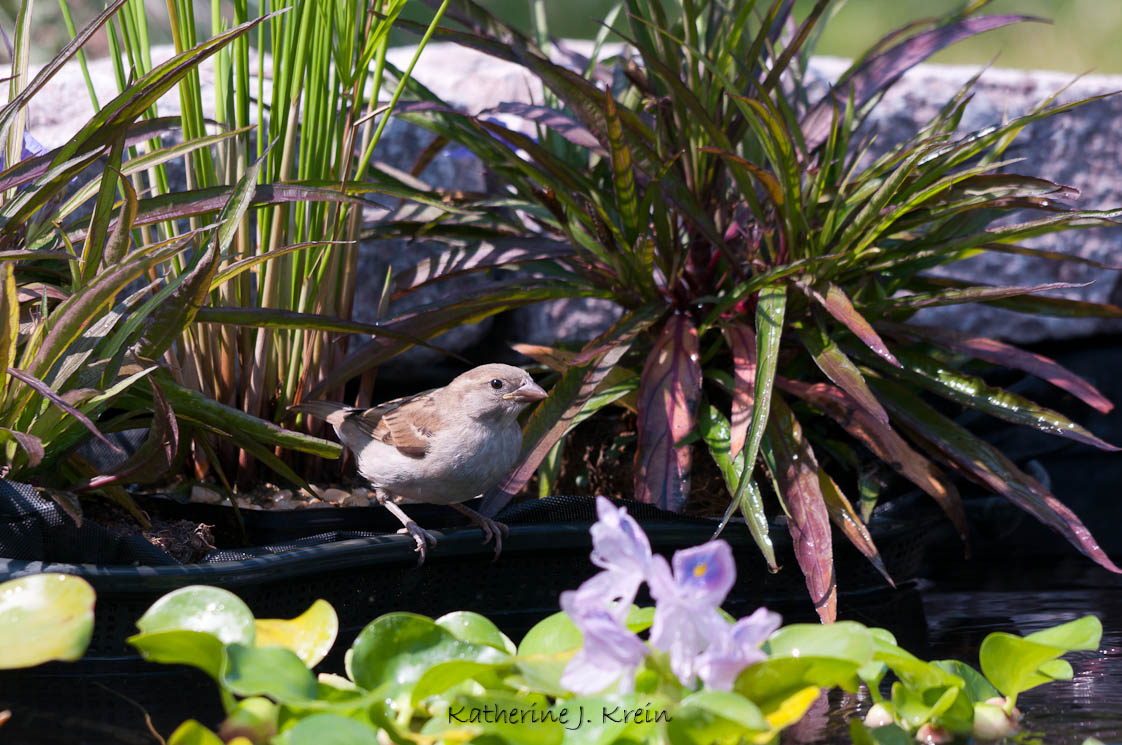
The bird you see below surveys the pond and builds up courage to enter the bowl.
The water hyacinth helps shield the fish and filters the water.
One summer I brought in water hyacinth from a local garden center.
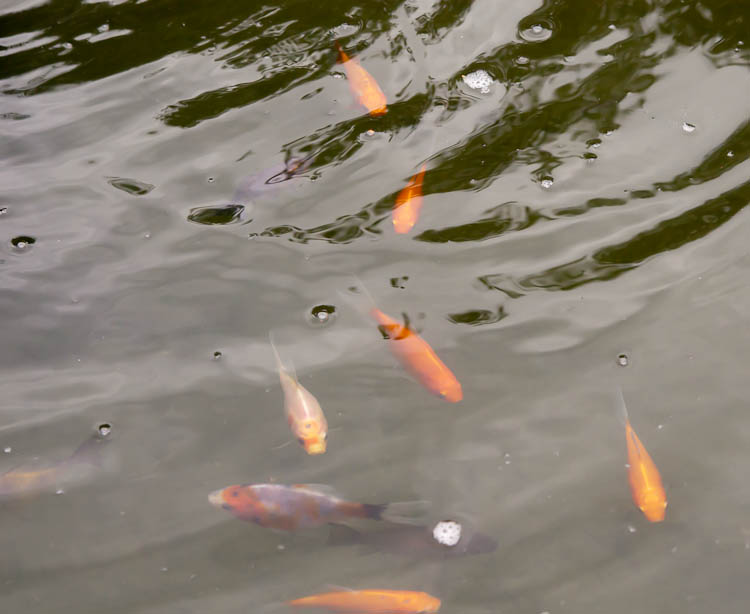
Five days later the pond begins to fill with fish.
There must have been fish eggs hiding in the hyacinth.
I ended up with ten or eleven unexpected fish guests that summer.
The water lilies have been the real heart and soul of our pond.
In the beginning I tried many different types and colors.
We have had yellow, white, peach and pink.
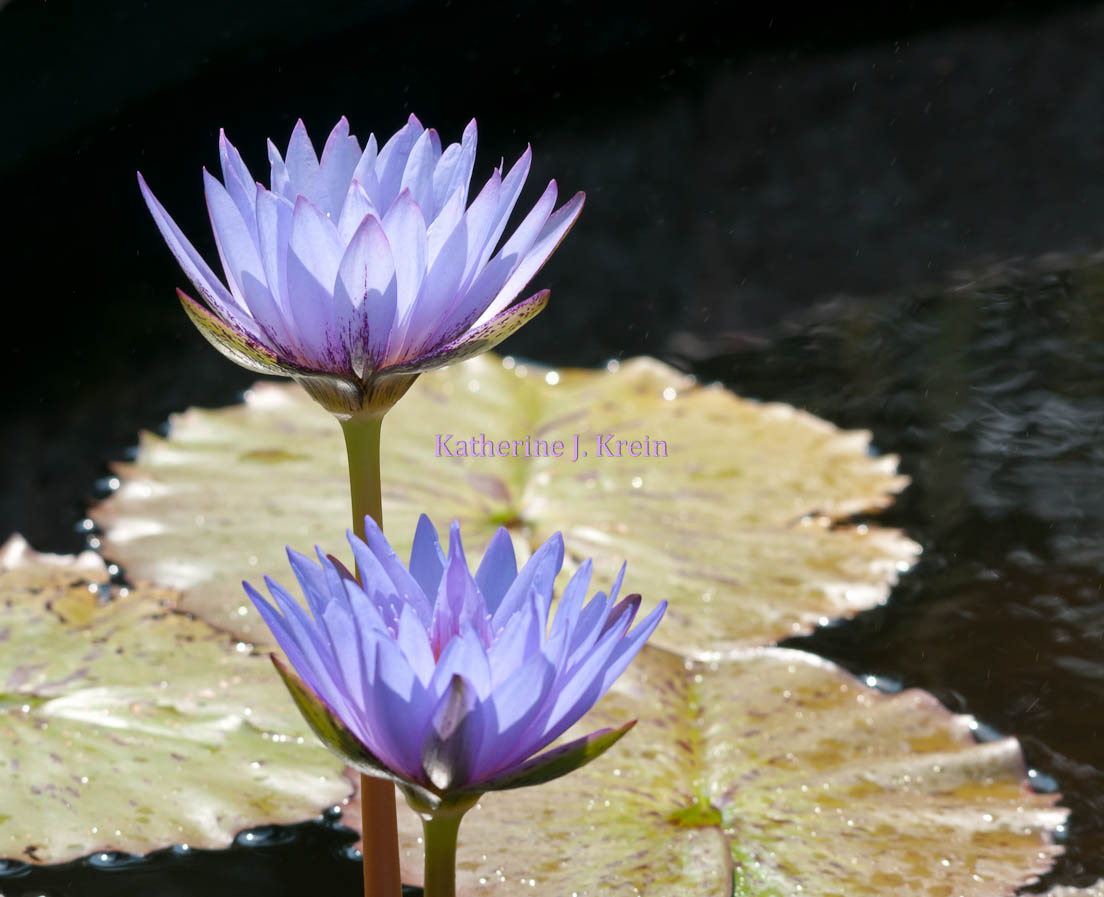
Pictured below is a tropical water lily that is like an annual.
It cannot survive our winters and will not come back.
I had this one only one summer.
Currently the pink Colorado is the sole survivor.
It has been an epic survivor and blooms prolifically every summer.
My pond has been a real blessing for me. I can see it from my kitchen window.
It has been worth every cent I have spent on it.
There are some days when the garden seems quite, and I will go out and sit.
If I am patient and sit quietly, I begin to see the life around.
There are peak hours and slow hours. There is a natural ebb and flow to life.
The garden has helped me to believe that impossible things can be made possible
with work, imagination, and faith.
The garden and pond have changed over the years.
In the beginning it was almost an unhealthy obsession.
Time, age, and family circumstances has tempered my obsession.
It was largely ignored a few summers, and partly tended a few.
The garden has been patient with me and has taught me patience.
Everything takes times, and mother nature can survive neglect.
She is constantly reinventing the garden,
Sometimes to my delight, and other times to my chagrin.
Still to this day it is a work in progress.
I am already beginning to think about what
I might do early spring to change things up a bit.
It is important to have goals.
It is also important to be realistic with our expectations,
and most importantly to always be aware of our priorities and promises.
Believe in the WE.
Smile more.

‘Black Magic’ Taro and a boisterous pump and fountain bowl.

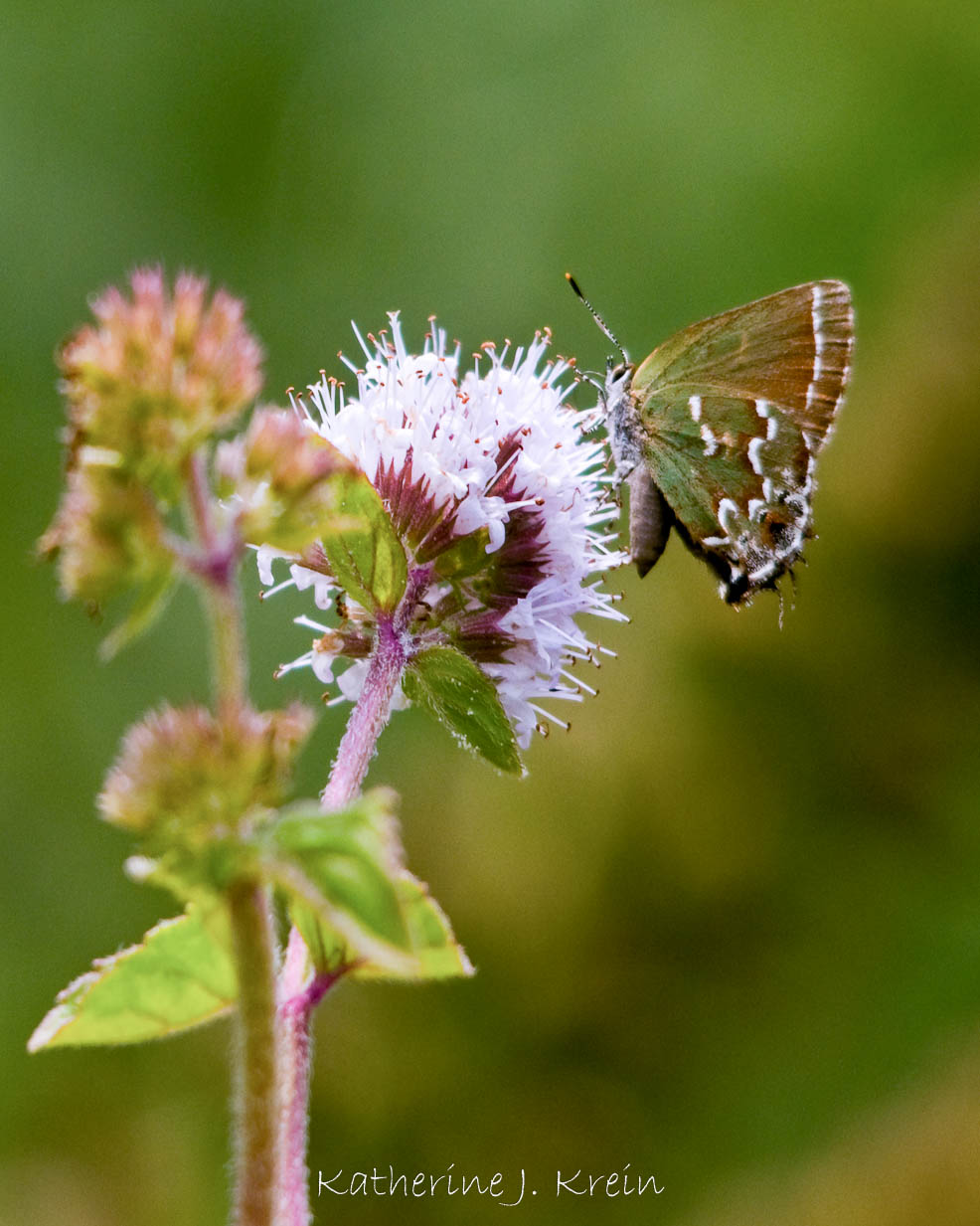
This green,brown and white butterfly is called a juniper hairstreak.
It has one orange and black eye-spot.
The plant is a water mint which was very popular with all our visitors.
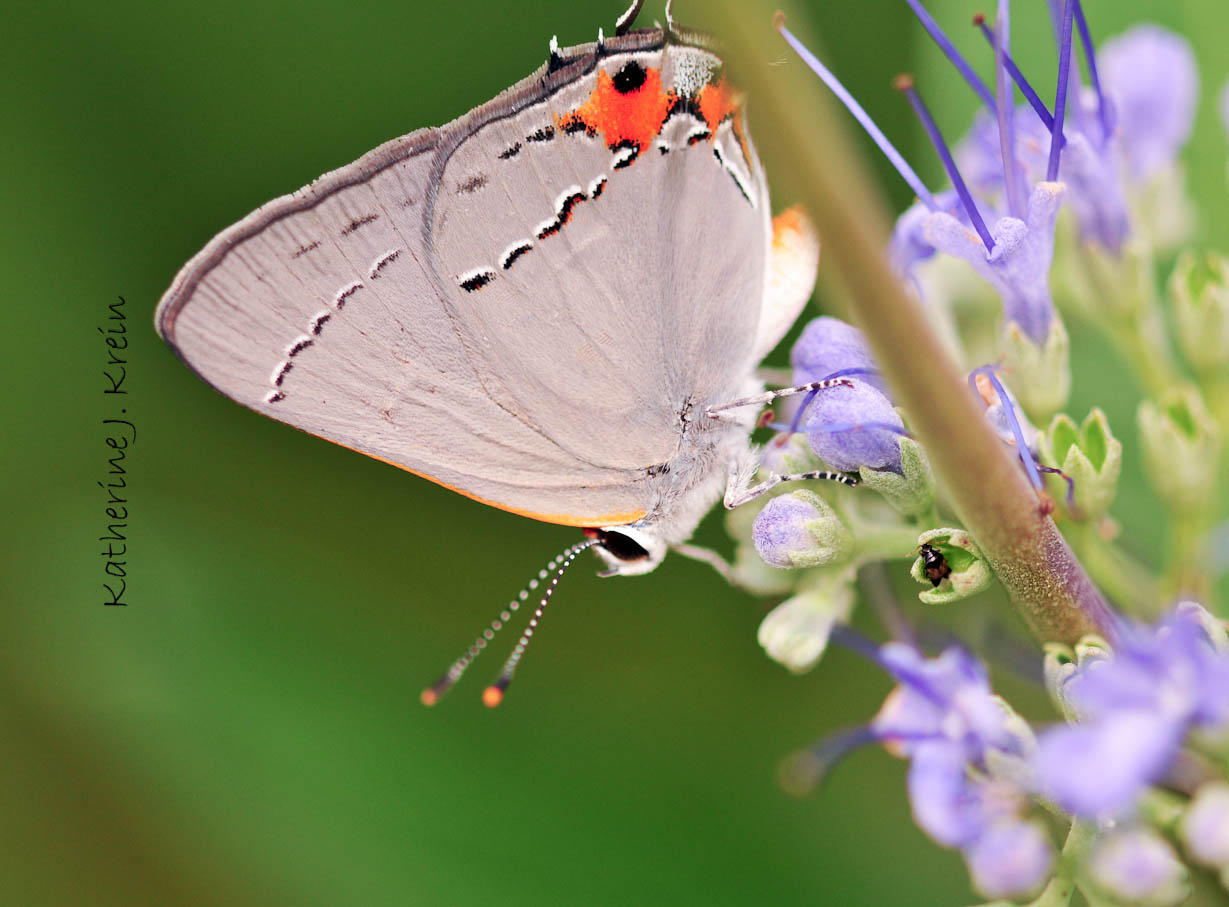
Here is a little grey hairstreak. This was my first picture with a new camera lens.
The plant is a blue mist shrub which was also a popular choice with all our visiting insects.
Here you get a better view of the orange and black eye spots.
This is the most common type of hairstreak.
Both the juniper and grey are very small.
These pictures make them look larger than they are.
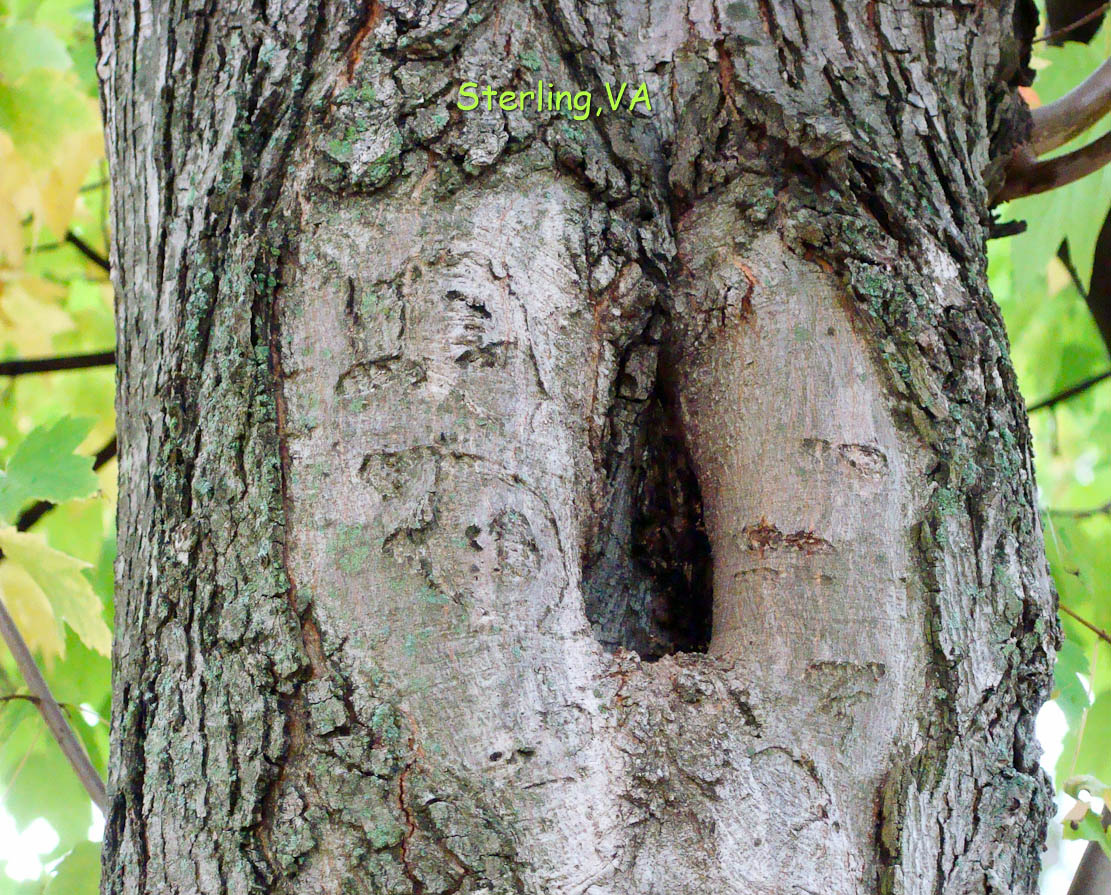
My recent posts have focused on eye-spots and seeing faces in patterns.
Here is a close-up of the silver maple tree that was sacrificed for our flower pond.
Can you see faces in the split bark?
I used to see two faces here, and today I saw something new.
I called them my tree people, and they were trapped within its trunk.
I like to think that when the tree was cut down their spirits were set free.
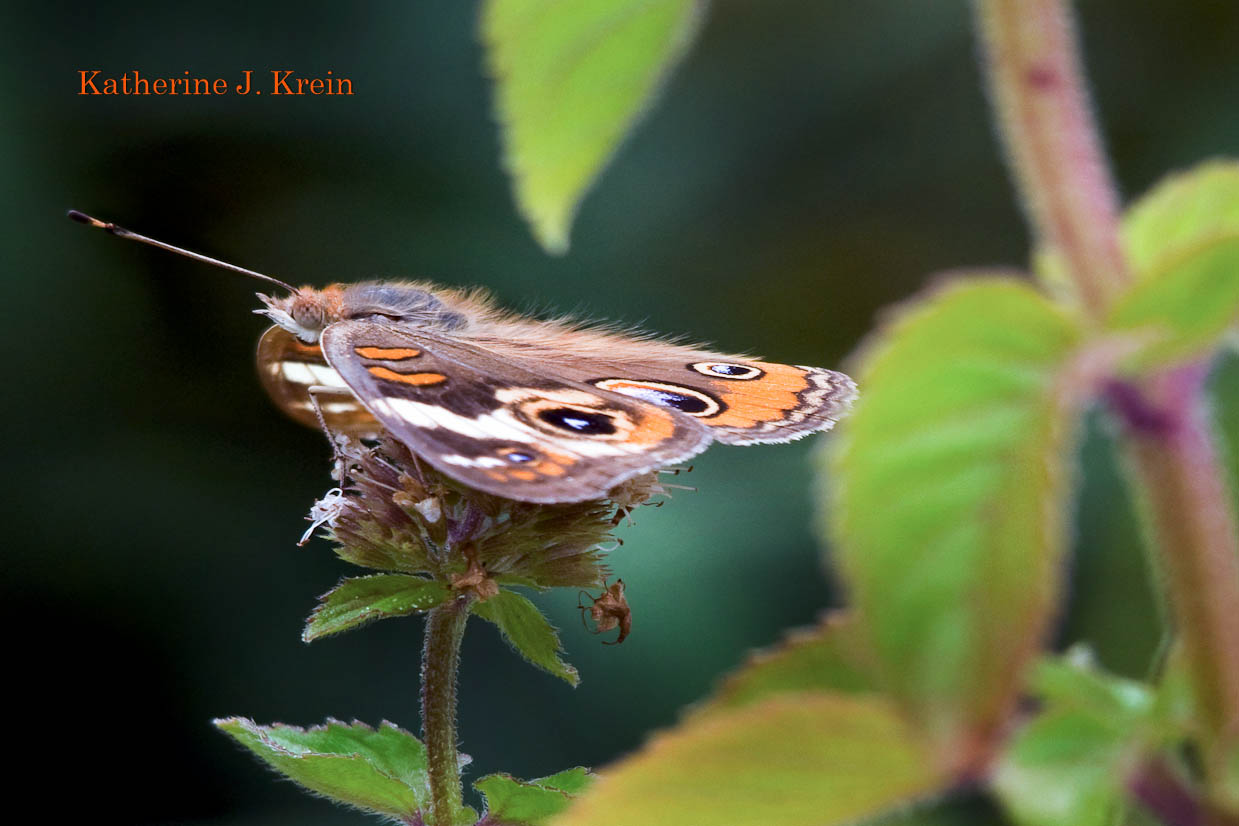
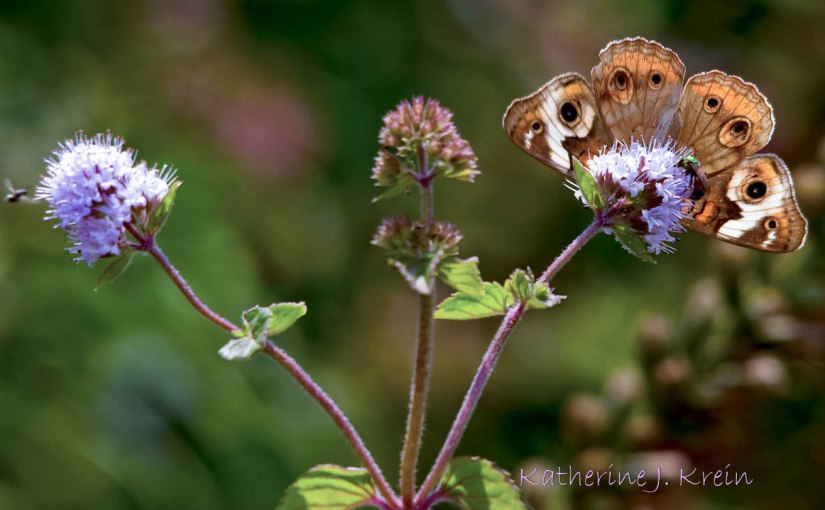
The common name for this butterfly comes from the brown poisonous seed of the buckeye tree that resembles a deer's eye.
Buckeye trees are found in large numbers in the state of Ohio, and this is why people from the state are sometimes called 'buckeyes'. I am not sure why this butterfly got this name other than its eye-spots resemblance to the buckeye seed. This butterfly has a large geographic range and is not exclusive to Ohio nor is the tree its host plant.

I would argue that because this butterfly's scientific name Junonia coenia comes from the mythological goddess, Juno, the common name should be related. The peacock bird was the sacred bird of Juno, and the story is told that peacock feathers  immortalize Juno's faithful servant, Argos Panoptis, an enormous giant with 100 eyes. The common name of peacock butterfly would honor its scientific name more suitably. Also the butterfly's eye spots more closely resemble the eye-spots of a peacock feather than the eye of a deer. However, it is what it is and there is no real need to change it at this point.
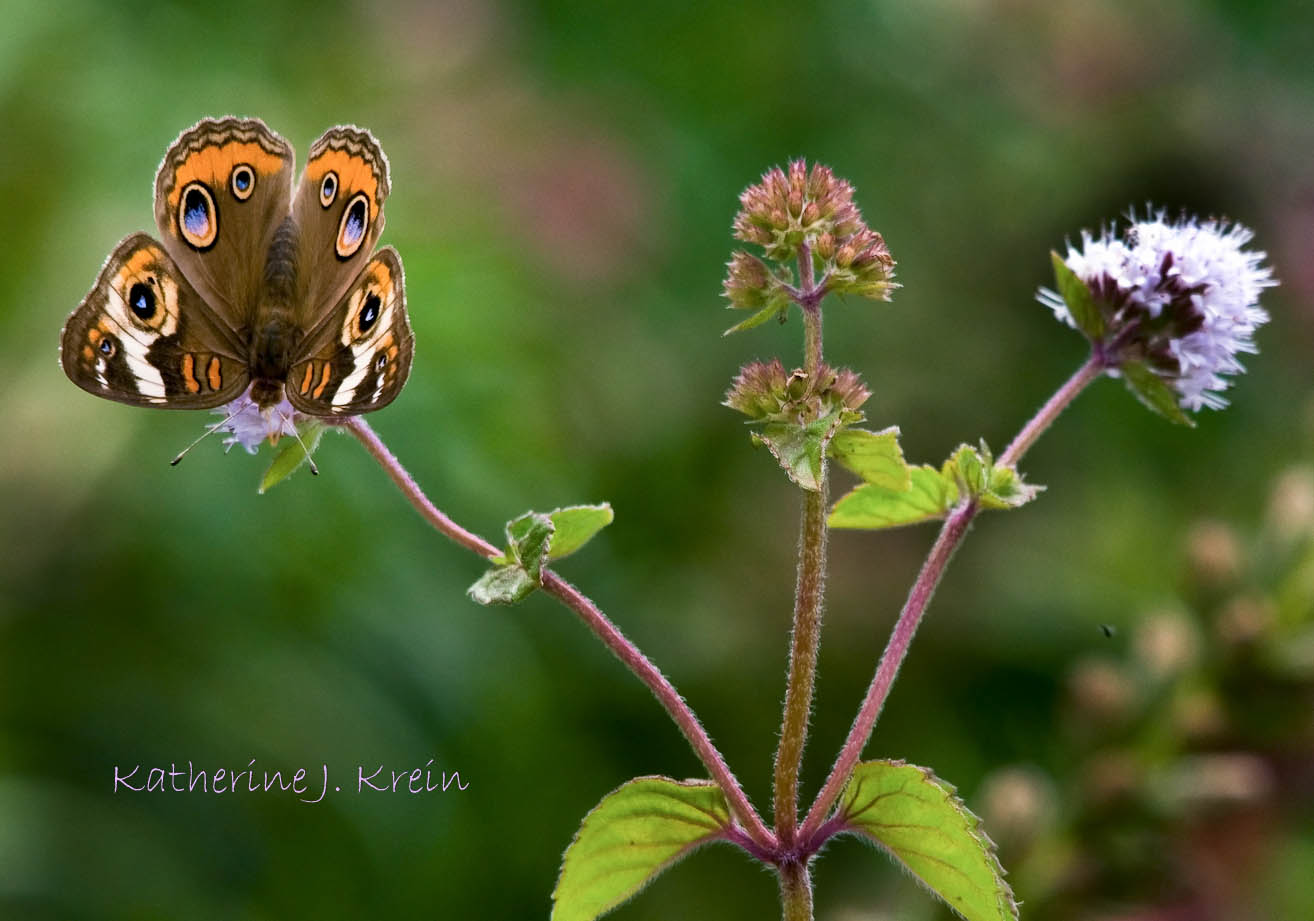
If you are like me, you can see faces in the wings of this butterfly.
This phenomena is called pareidolia, which is the tendency to assign meaning to patterns.
The most common type of pareidolia is seeing faces in inanimate objects.

There is a psychology test called the Rorschach test. This test supposedly indicates a person's personality or mental state based on their interpretation of a series of ink blots. I always think of this test when I see images in patterns.

I wonder how what I see would be interpreted by a psychologist. It would not really make any difference in how I think about myself, however, I would be curious.
I wrote about the pond in our backyard long ago. We did most all the work ourselves. Here is my original post: https://movingforwardslowly.com/2016/07/21/the-flower-pond/
I did not bother with any pictures back then. However, I am a big believer in giving a visual story along with words. I will first show a picture of our backyard before the pond.
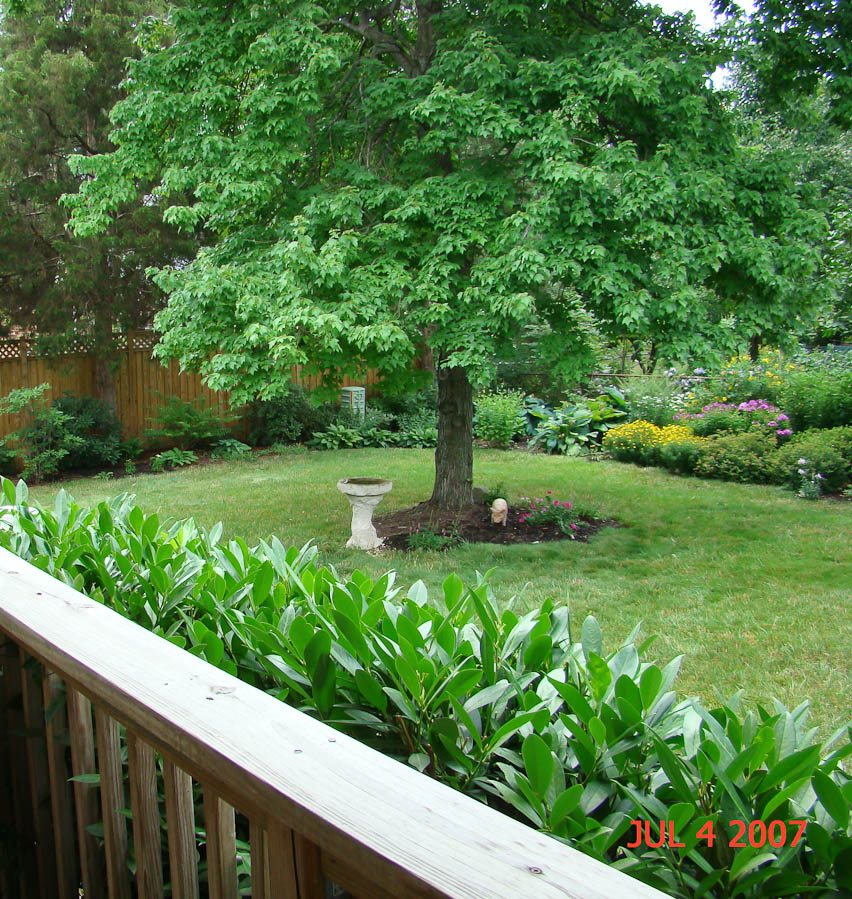
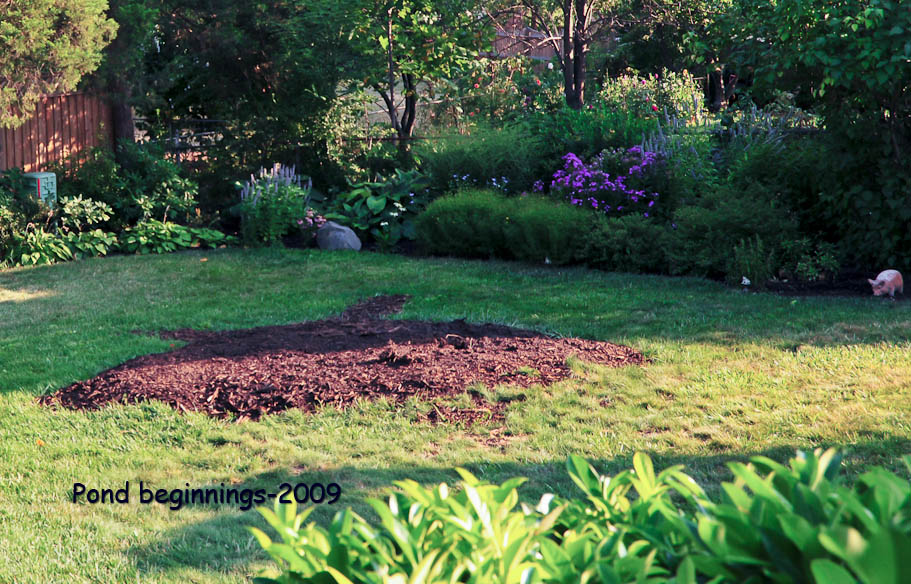
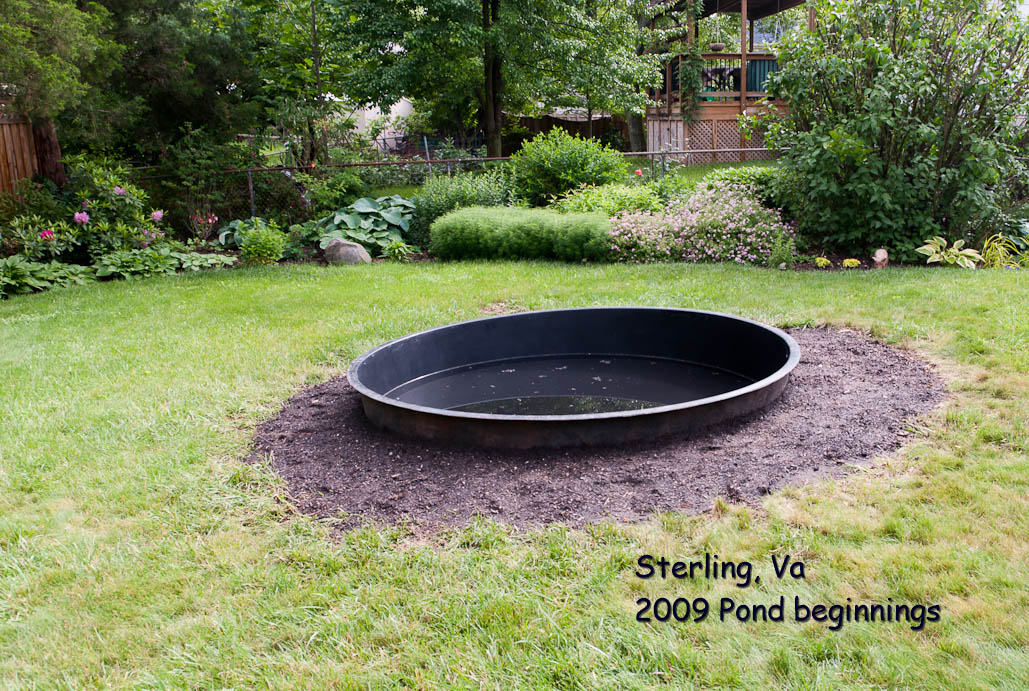
We dug a hole with a great deal of difficulty since there had been a tree in that spot. We rented a stump grinder and my husband battled with the roots. We put in a nine-foot diameter fiberglass pond. I wanted to grow water lilies and other aquatic plants.
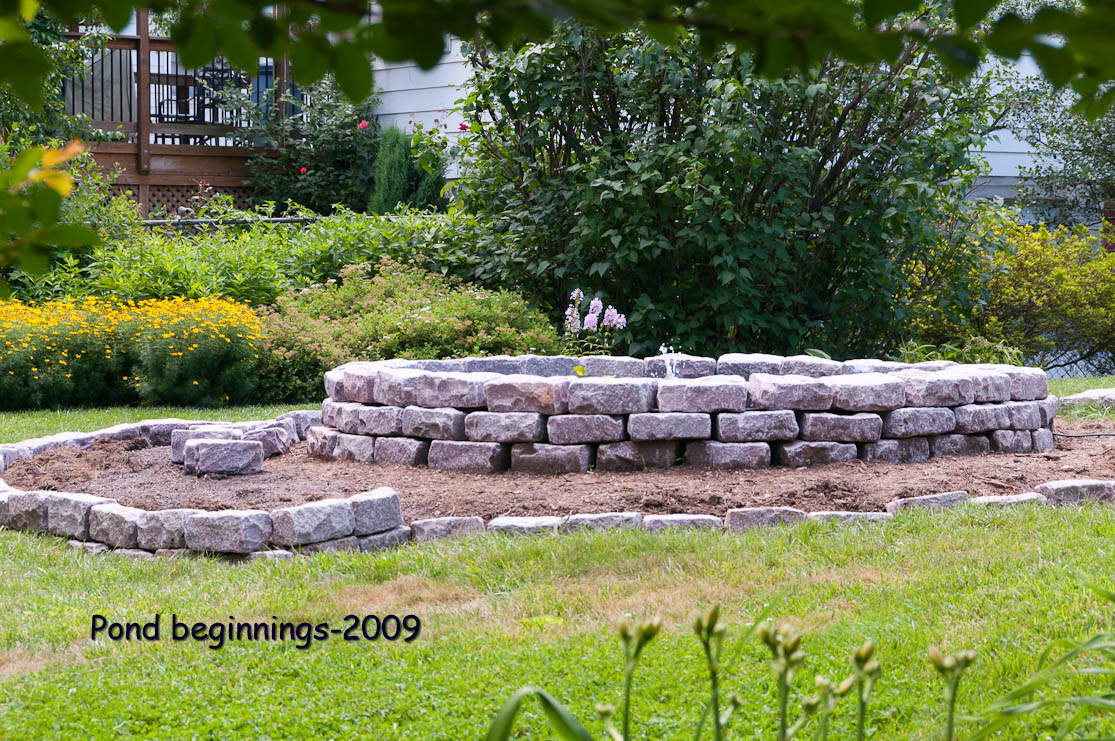
The pond today in August 2023 still functions as a fertile aquatic garden. Over the years I have posted several pictures of the pond. Today some wild reclamation is happening with the surrounding area. I am still deciding what I want to do at this point. I will most likely wait until early spring to change things. In the meantime, the birds are still enjoying the fountain bowl.
Back in the end of July I read an article about at ongoing exhibition at the New York Botanical Garden.
I wrote about it here: https://movingforwardslowly.com/2023/07/20/red-in-the-garden/
I could not find my vulture pictures to show what I think about when I read about vultures. Since then I found the pictures in my files. As you can see my memories of them are that they are unclean. They eat carrion and rummage through dumpsters.
They flock together in one tree, and you can imagine what the white stains running down their feathers show. They do perform an important ecological function by cleaning up road kill.

These are old pictures taken with an old camera from a good distance away. You do not want to get too close to them because they might vomit on you if frightened.

So you can imagine the idea of glittery vulture sculptures standing among beautiful flowers makes me wonder if New York vultures are that different from Virginia vultures!?

Someone or something removed the vultures from my neighborhood because I no longer see them nor have I looked for them.

The pictures that we take shape our vision of the world.
Pictures of flowers, birds, bugs, trees, and other natural features of my environment are what has normally been in my focus lens. As a result, the people in my life have been side-lined sometimes.
As I get older and look back, I can clearly see some of my misdirection. Some reasons have been justified, and others have not.
There does lie a future in front of me, and corrections are presently being made.
Still the actions in our lives are often reactions to other people’s actions. Often our good intentions get left behind. One fact of life that we all must live by is the fact that we can only truly change ourselves. Slowly the cycle can show changes with good intentions being modeled.
There is beauty in all of us. Some are visibly more beautiful, some are more beautiful in their heartfelt actions, and we all have different perspectives and interests. Some express beauty in their art and words. Together we can let beauty hold us all up in the face of death and drudgery.
When our world looks to be in ruins we have to look harder to find beauty. We must look to those who have a vision of rebuilding in their mind. They will be the ones that can bring us back to beauty.
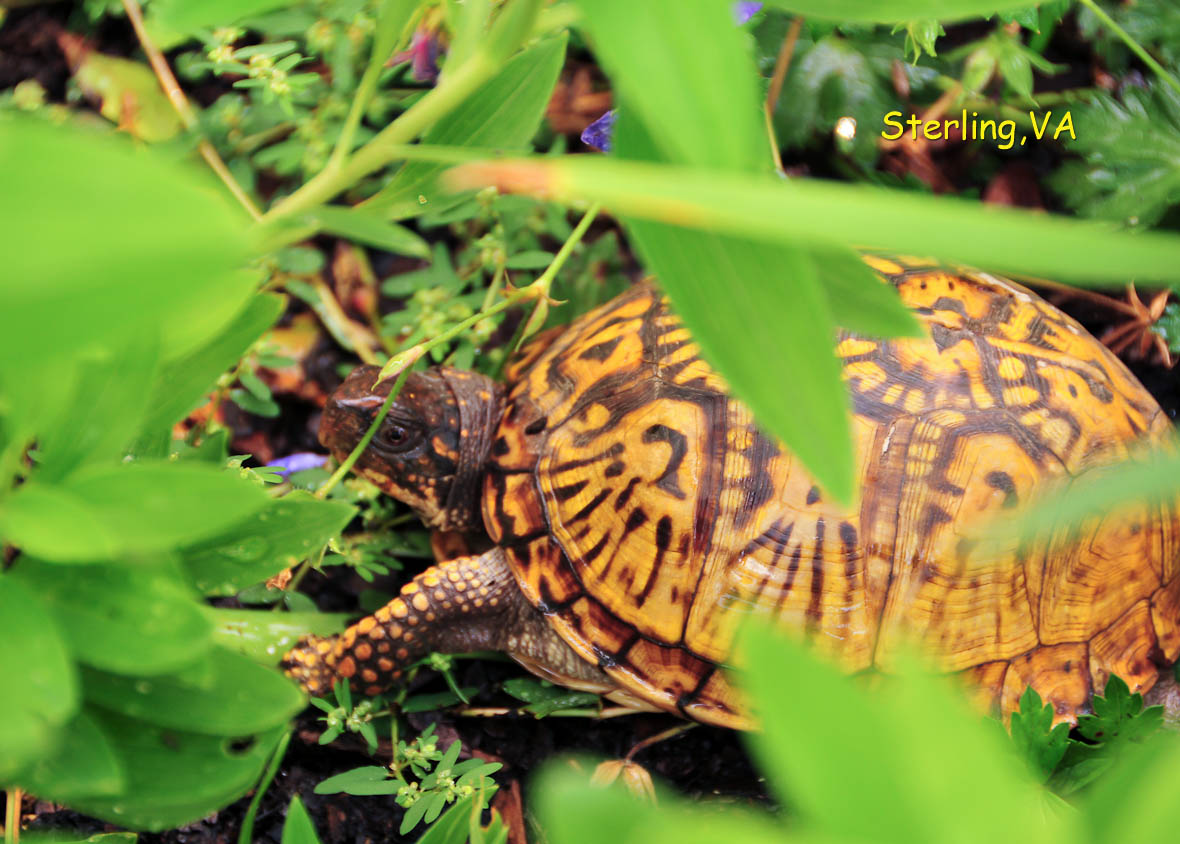
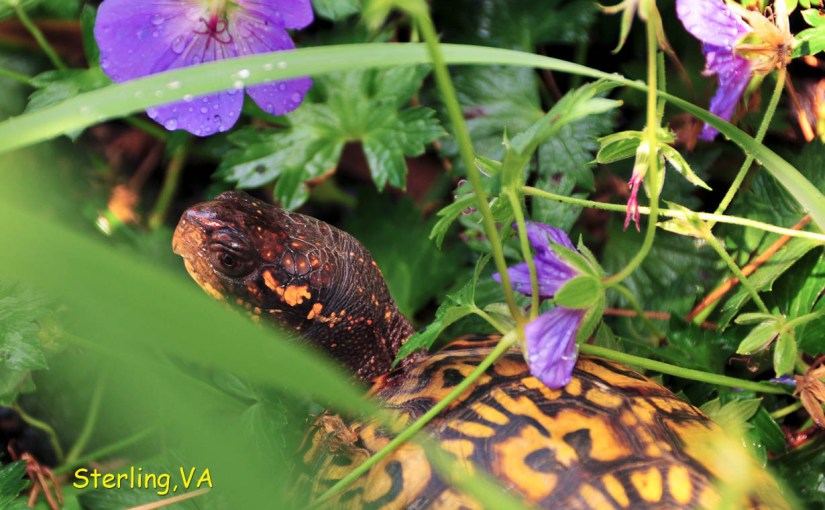
This turtle was moving a fast turtle speed as it tried to get away from my prying eyes.
The garden provided cover,though the terrain was uneven and rough in spots.
Its shell provides cover for a heavy price. It elongates its neck and little legs.
This allows it to move faster than you might think.
I was unprepared for its speed as I tried to snap some pictures.
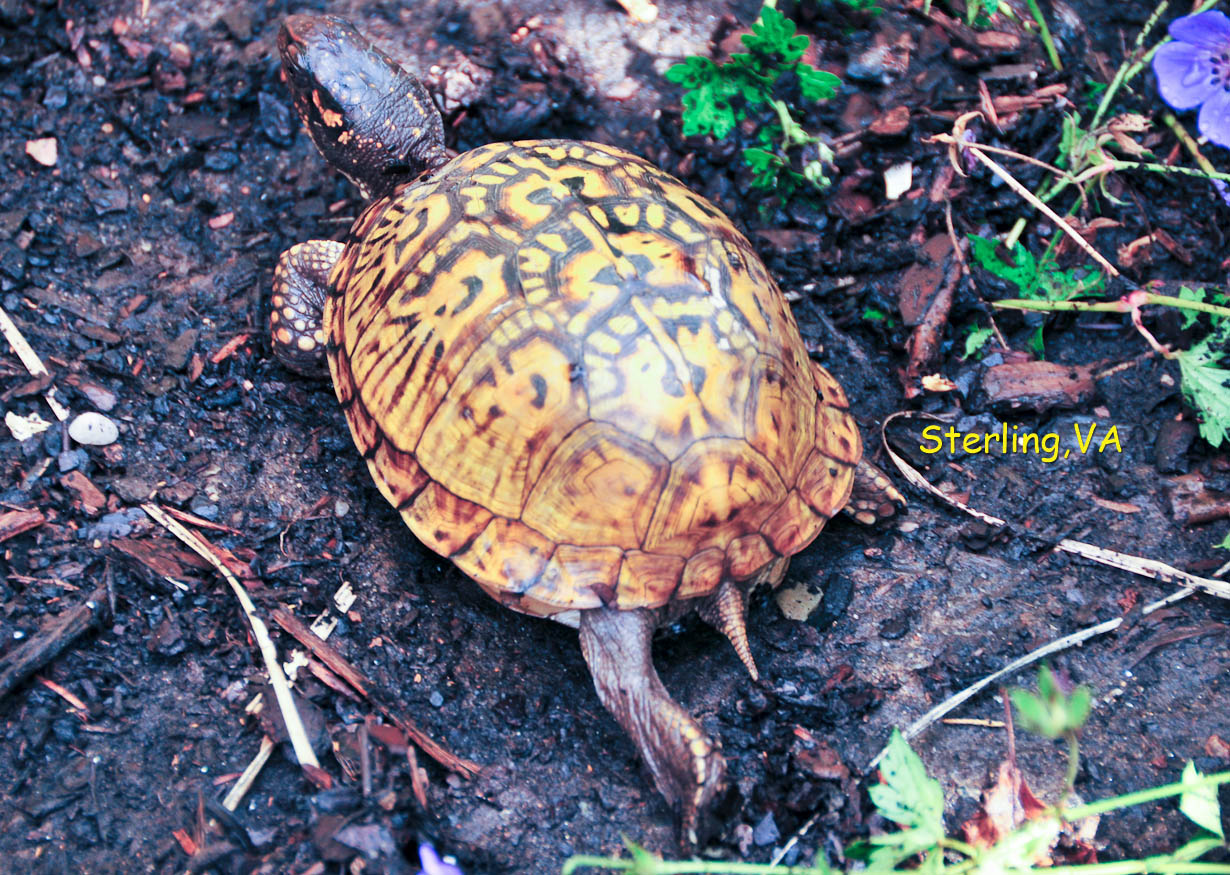
Look at those back legs stretch and push.
I let it get away. This particular turtle had places to go.
Actually many birds are coming back since
I started regularly feeding them.
The birds have changed over the years.
Some are here whether I feed them or not.
Since supplying a variety of seed and suet,
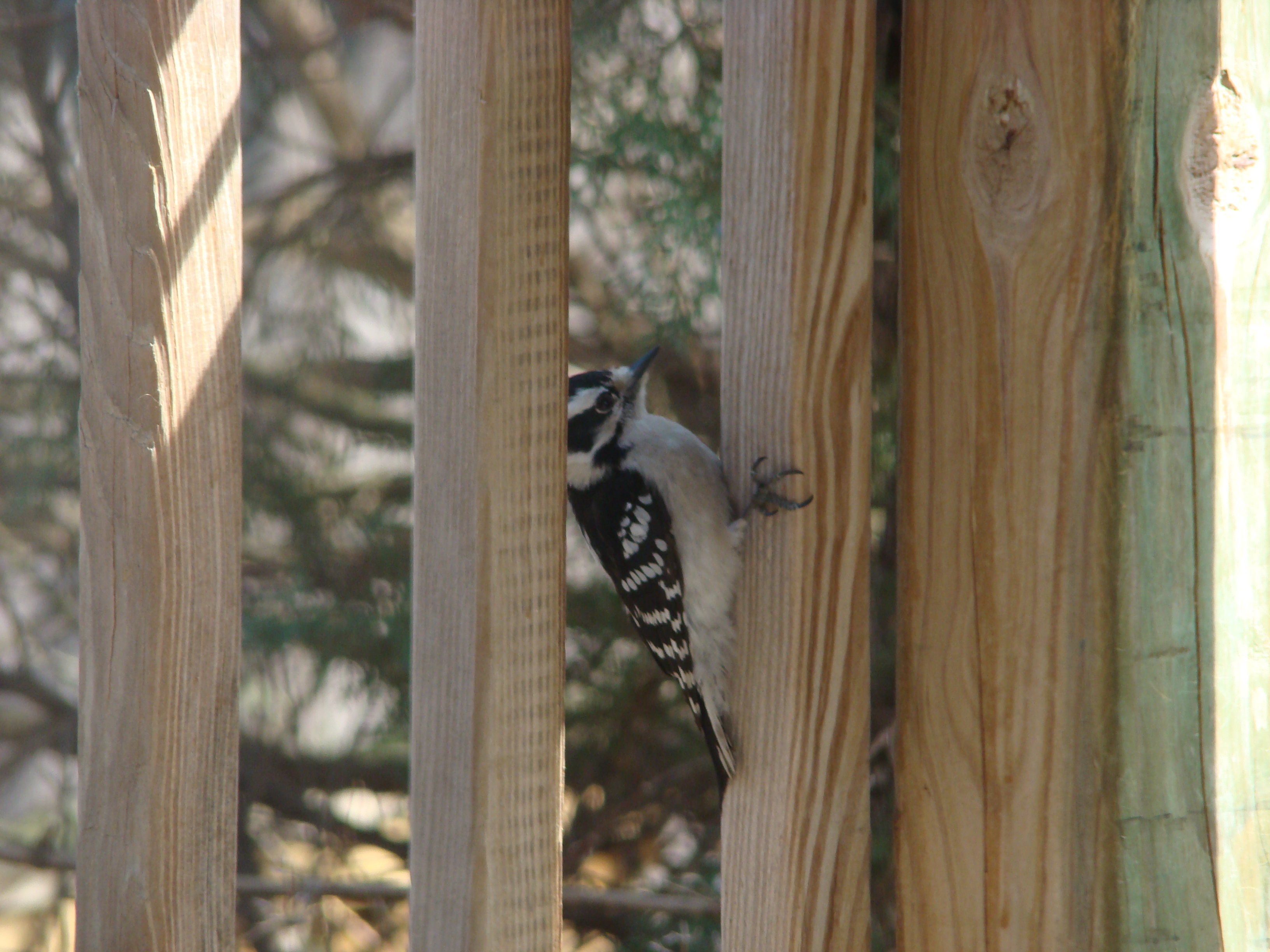
most of those lost have returned. One prime example is the Downy woodpecker.
I see them regularly once again. The chickadees are also back consistently.
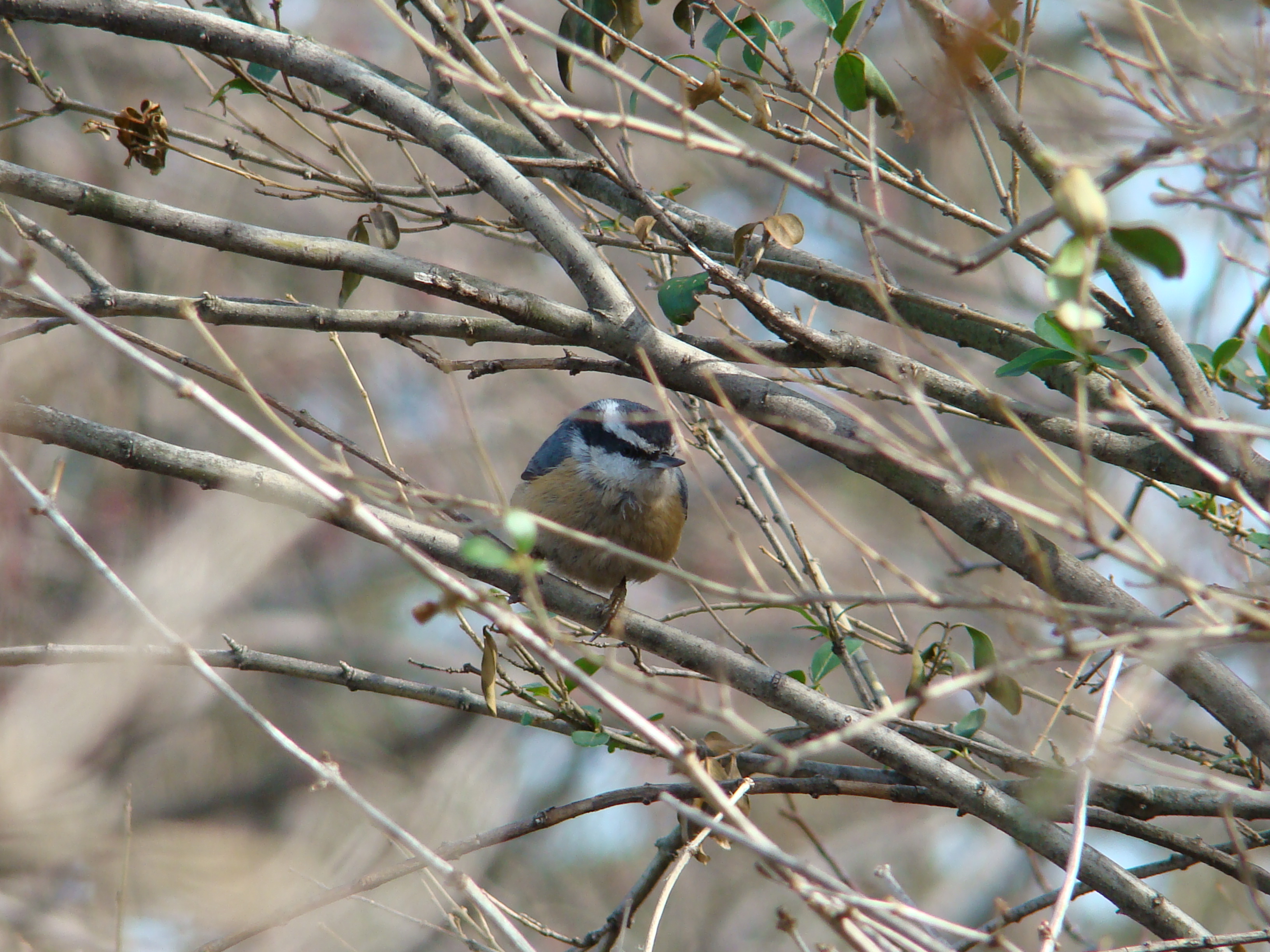
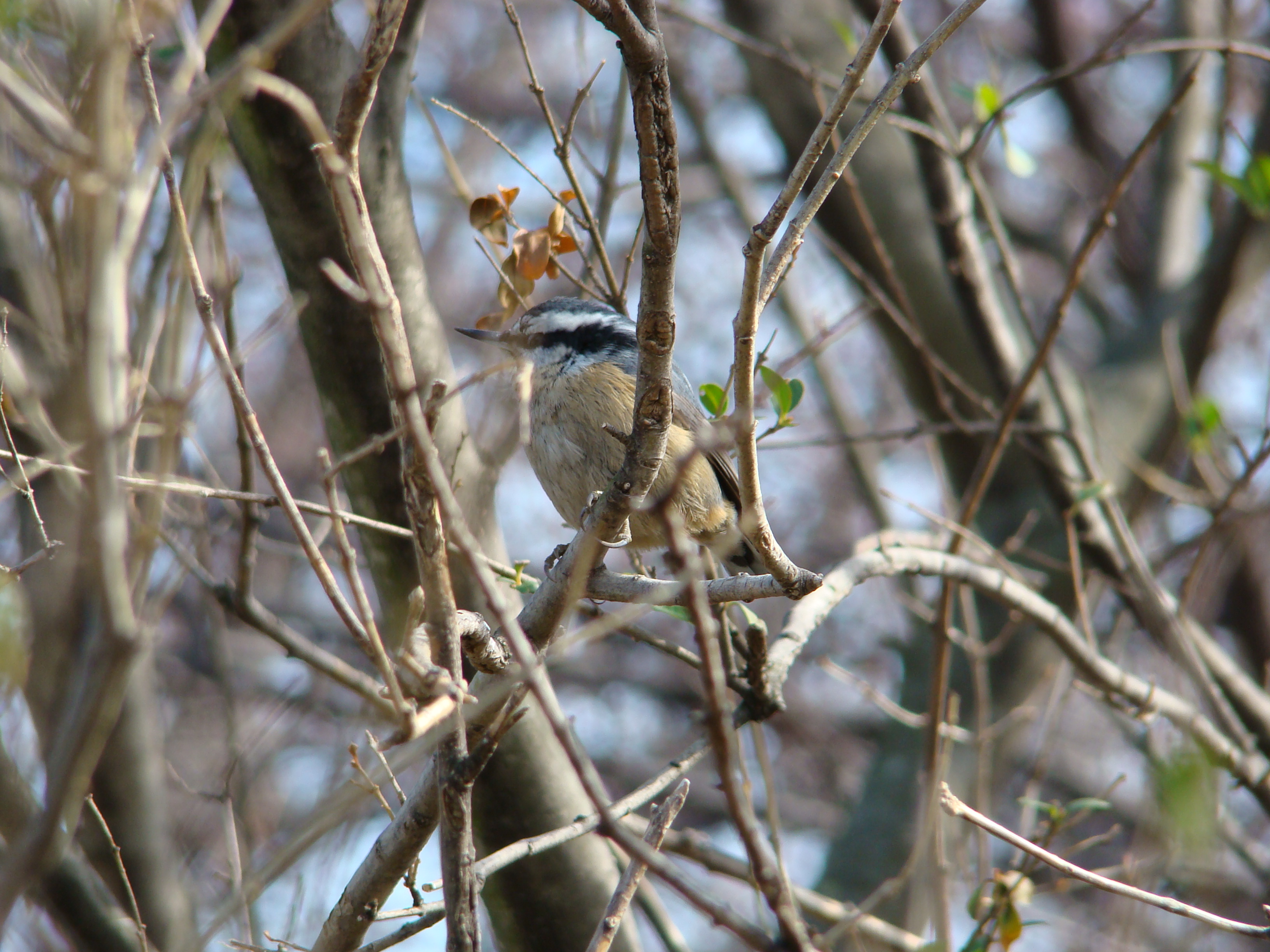
I have yet to see the red-breasted nuthatch.
I have my hope that by winter I will see some.


 movingforwardslowly