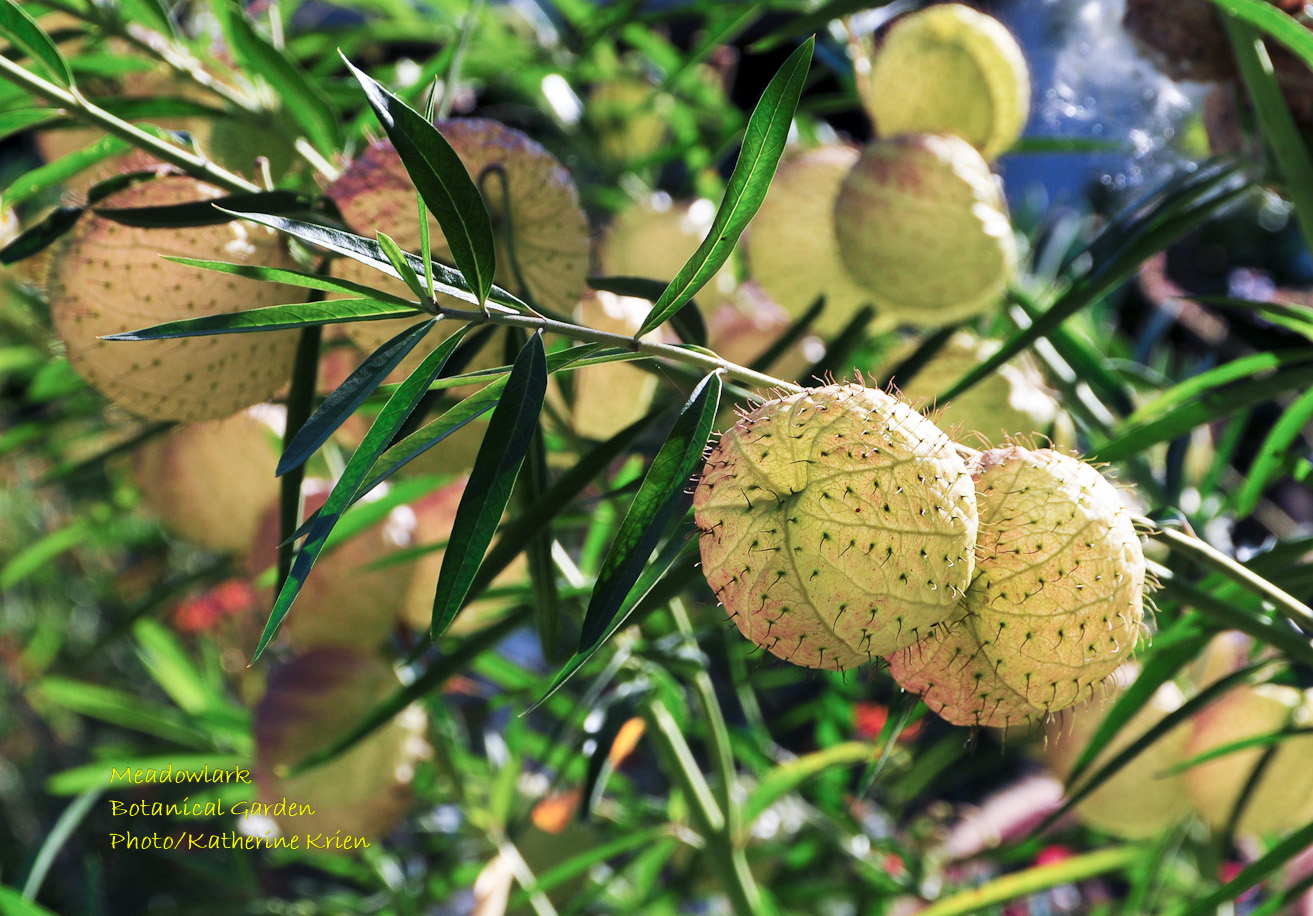
I ran across this picture the other day when I was looking at fall pictures I had taken in the past. I did not know what it was. I don’t think I had ever learned its name. The search began for its name. I remembered it was a tall plant about 6 ft. tall. It was located near several short well-known milkweed plants. I still did not make the connection because I had only ever had swamp milkweed in my own garden. I had no idea that there was a milkweed species called Hairy Balls. I learned this yesterday when I finally figured out what this plant was. I knew I recognized the thin lance-like leaves of the swamp milkweed I grew in the past, but still I did not make the connection until I saw it featured on a garden blog. When I looked it up I was surprised to find that there is a math theorem called Hairy Ball theorem. I had to laugh.
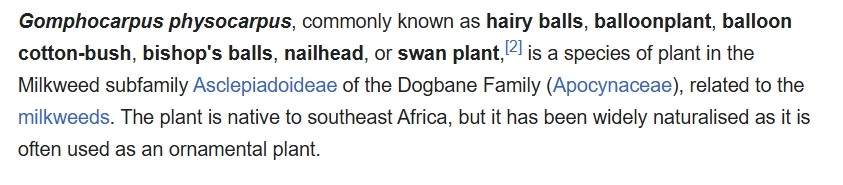
(I was intrigued by the use of “carpus” since I related it to bones. It turns out when talking about plants it means “fruit”. )
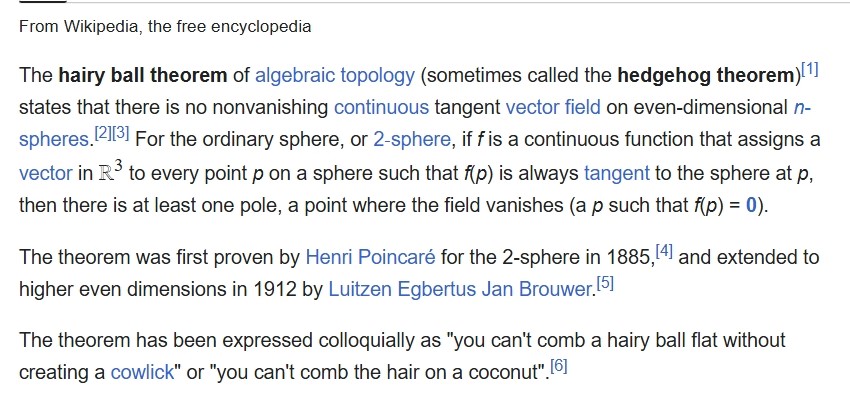
I have no idea what this means in math. I am not schooled in algebraic topology nor am I a math genius, so it means nothing to me. However, I still find it interesting that people’s lives are devoted to studying such things. I am more interested in the beauty of plants that are tangible.
Please go out and vote tomorrow!



 movingforwardslowly