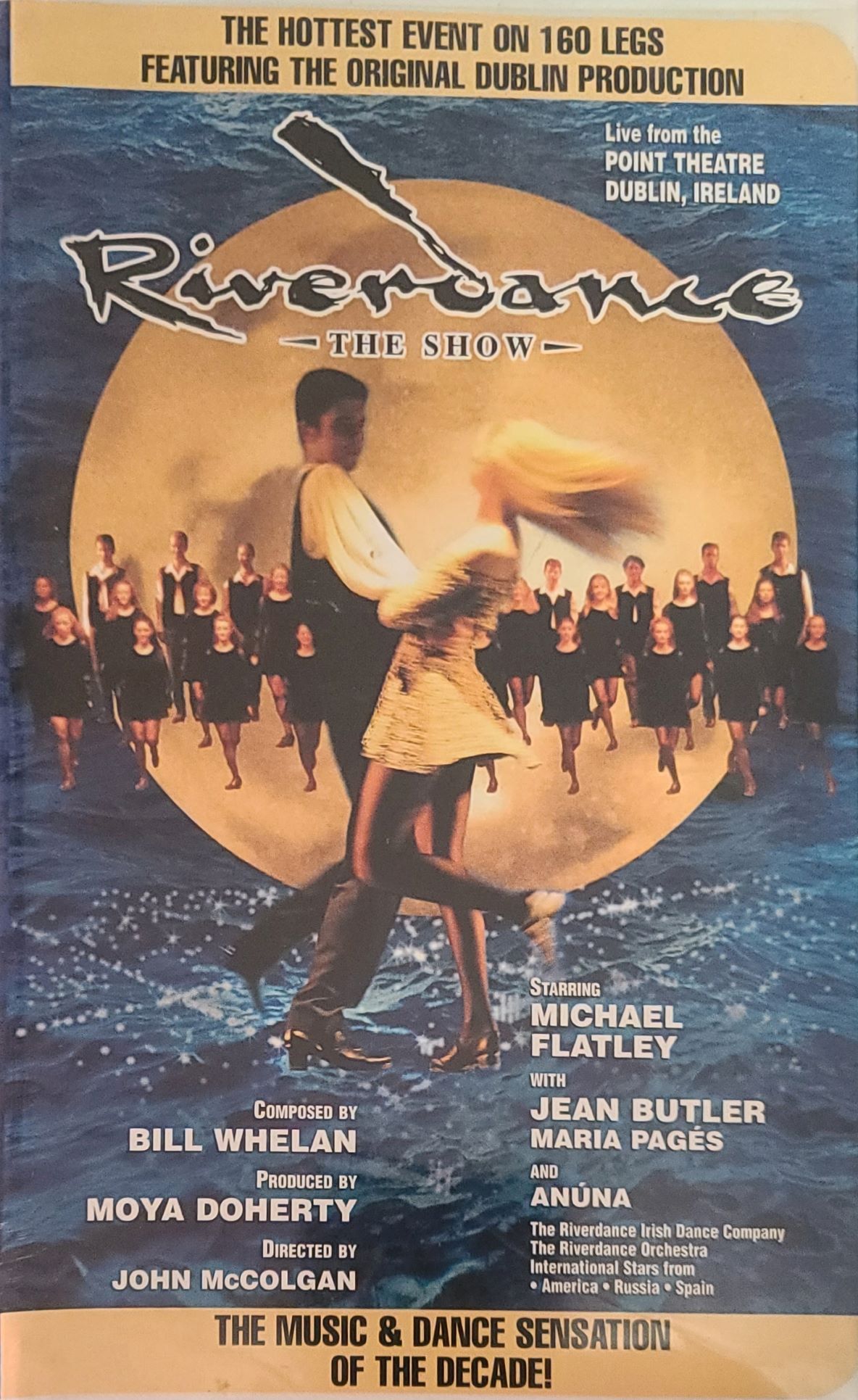
When doing my Sunday reflection this morning the thought of rivers came into my mind. I am still thinking about March as a month to honor my Scots-Irish heritage. River symbolism runs deep in many cultures, and the river is used symbolically in the bible as well. As I was researching rivers in Scotland and Ireland, I remembered the Riverdance show starring Michael Flatley. My daughter was in love with this show, and we bought her the VCR tape which we still own and can still watch on an old TV/DVD/VCR machine we still have. I took a picture of it. See below.
She is watching this today. Luckily the tape still works and so does the TV/VCR/DVD player. I wish we could buy another newer version of this same machine. It is made by Toshiba. When we bought it was being discontinued. We got the last one.
This coming week Saint Patrick’s day will be celebrated, and not necessarily in the way it was historically intended. However, we live in America and the year is 2026, so the spirit of celebration is one of happiness with family and heritage.
With Saint Patrick’s Day being celebrated this month, I have been thinking about my heritage on my mother’s side of the family (the Irwin’s). She always said they were Scots-Irish. She even traced her family tree back to Rev. John Craig of Augusta county Virginia and the Old Stone church. She was able to visit it and take pictures before she died.
The book pictured above was purchased by my mother and it came to me when she passed away. I read the book and enjoyed it. It contains a lot of good historical information about the Scots-Irish in America, and their influence on American culture.
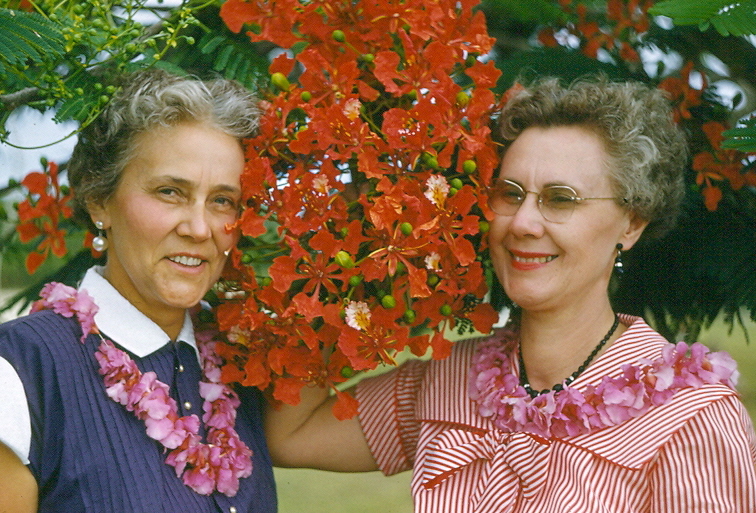
Here is my great aunt Bess Irwin, and her sister, my grandmother, Myrtle Irwin DeVall. They were proud to be Scots-Irish and their father was an Irwin. . Their father was a teacher, and his father was a doctor.
I have decided to honor the Scots-Irish this month!
Soul Train TV show theme song by George Martin Duke, composer
George Martin Duke (1946-2013) was an American keyboardist, composer, singer-songwriter, and record producer.
This is an image from a TV show that was on in the 70’s.
We are in Black History Month right now. Soul Train was a TV show that ran in the 70's  when I was in my teen years.
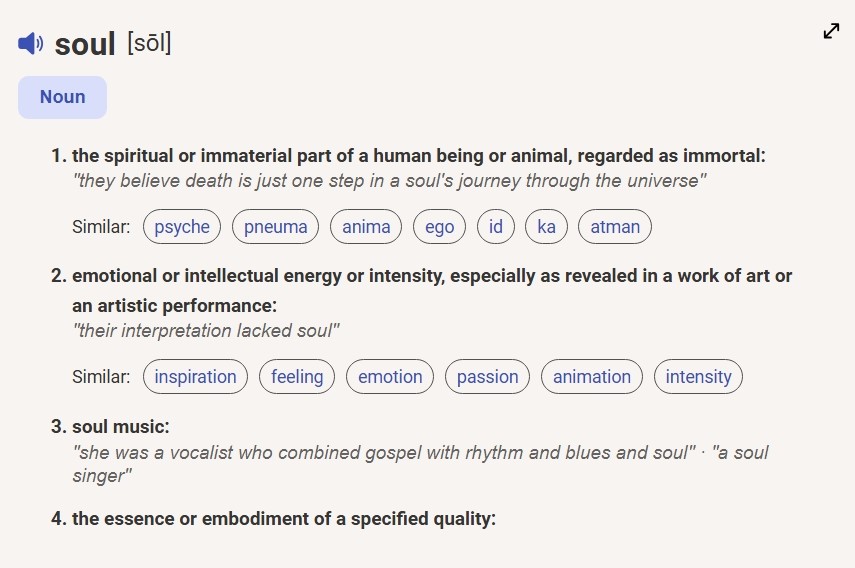
I think the #2 definition of soul is a good reflection of the intense energy that was exhibited on this show. I loved the energy of the music and the dancing. I did not watch the show consistently, though, when I did watch it the energy was contagious!

A celebration of the soul embodied in this show is definitely worth showcasing during Black History  Month.
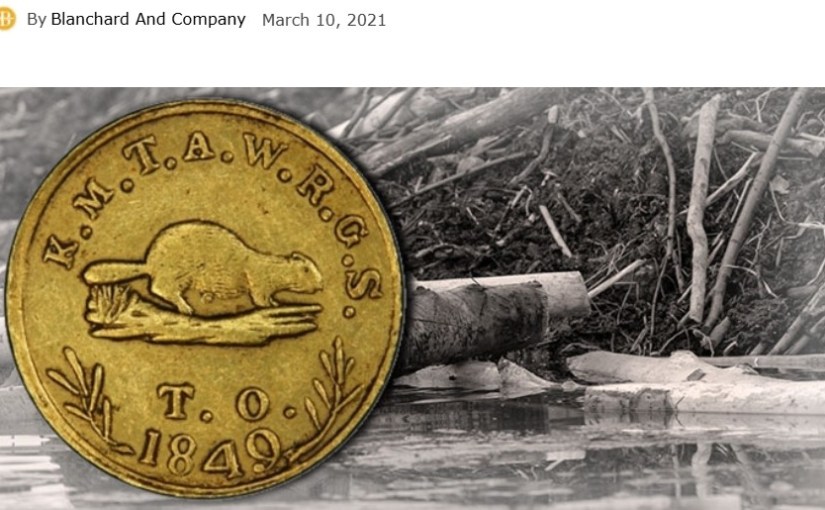
It turns out that the humble beaver is on another much more valuable coin than the 5-cent Canadian coin I mentioned in my last post.

Some time ago I posted about a historic Myrtlewood coin made in North Bend, Oregon in 1933 when money was hard to come by.

Well, I discovered today that this was not the first time that Oregon made its own money. Look at the picture above and then look below at the information about this coin.
All the pictures shown above came from the Wikipedia site.
I’ve been looking through my Treasury of Christmas cookbook and perusing online recipes. The holidays is definitely a time when I do more cooking than normal. I have a boneless leg of lamb in my freezer, so I have been researching lamb recipes. The lamb recipes in my Christmas cookbook all use mustard or horseradish in the cooking and serving. Neither of these spices appeal to me at this time.
I do remember horseradish from my childhood. The first time I tried it I ended up spitting it out. My father liked it and used it generously on some meats, specifically roast beef. I never ate it after trying it that first time.
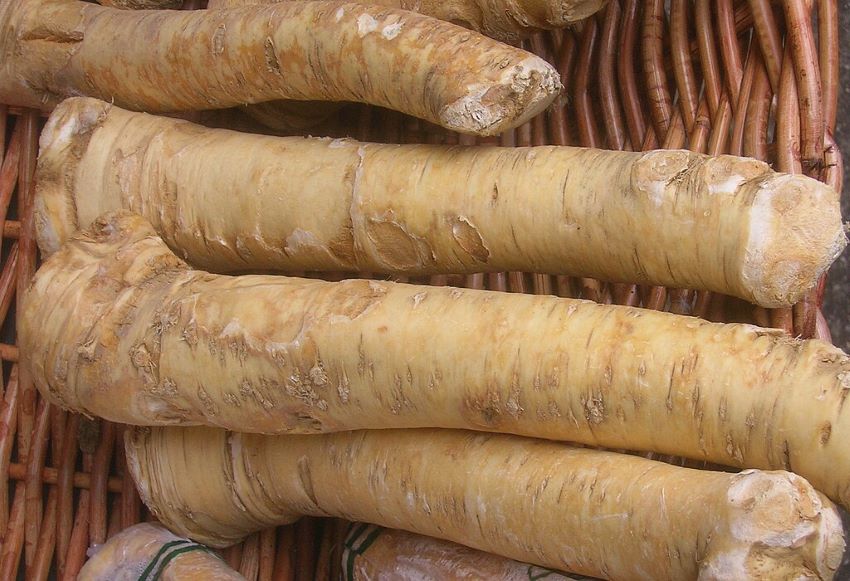
I am interested in plants so my curiosity caused me to look up more information about it. Plus, I wondered how it got its name. It has nothing to do with horses, and it can be toxic for them. Linguists think that perhaps something got mixed up in translations. It is a root of the plant Armoracia rusticana. Thank goodness for scientific names. There is also a Horseradish tree which is a different plant altogether, and should not be confused with the horseradish condiment.
According to Wikipedia, “The root was used as a condiment on meats in Germany, Scandinavia, and Britain… and both George Washington and Thomas Jefferson mention horseradish in garden accounts.”
After researching horseradish I have turned my attention to other spices. A lamb leg will be cooked, using neither horseradish or mustard in the cooking or serving. I am still reading about different spices, and I have not decided definitively what spices I will use. I saw a Persian slow cooker recipe that used pumpkin pie spice (or a Persian spice blend.) I do have pumpkin pie spice I could use. This recipe also used saffron spice. My husband recently gifted me a bottle of saffron threads, so I am leaning toward using this. I might end up using a more traditional rosemary and sherry blend. We will see…
Right now, my house smells like corned beef. It has been cooked for a breakfast casserole I will cook this week.
Happy menu planning to anyone out there who might read this!
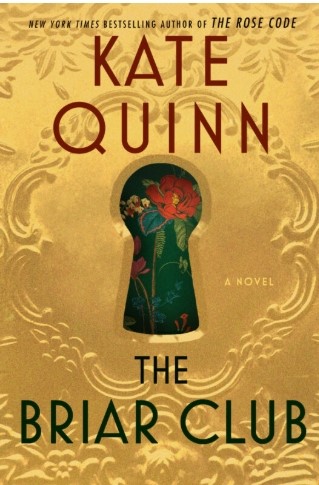
This novel begins in Washington D.C. in 1950. I picked it up about a week ago at my local library. After a few days, I realized it had to be returned earlier than I expected since it was in high demand. I started reading it on Friday and got hooked immediately. I had to force myself to set it down this weekend when my family needed attention. I was able to finish it before bedtime on Sunday evening. Before I finished my first Kate Quinn book I ordered her book, TheRose Code. I bought it because I did not want to be rushed reading it.
I loved reading The Briar Club novel. After I finished reading it, I read a few reviews of this book, and heard some complain that it was too slow-paced with deep dives into characters. The in-depth attention to portraying all the characters is one of the things I really liked about this book. I, like Grace, enjoy watching people, and studying their behavior and trying to understand their motives. The book has several surprises which I did not expect. I am normally very good at predicting what is going to happen in movies and books before they happen.
The setting is a boarding house in Washington D.C. during the 1950's. If you are a student of history, you will know this was when Senator Joe McCarthy was terrorizing everyone with his investigations into complaints about Communist sympathies. I guess bullies will always exist, and flourish when people are too afraid to stop them.

I would highly recommend this book.

It is Veteran's Day today. I would like to thank all those men and women who have served our country in the military, and in some case had to put their lives on the line.
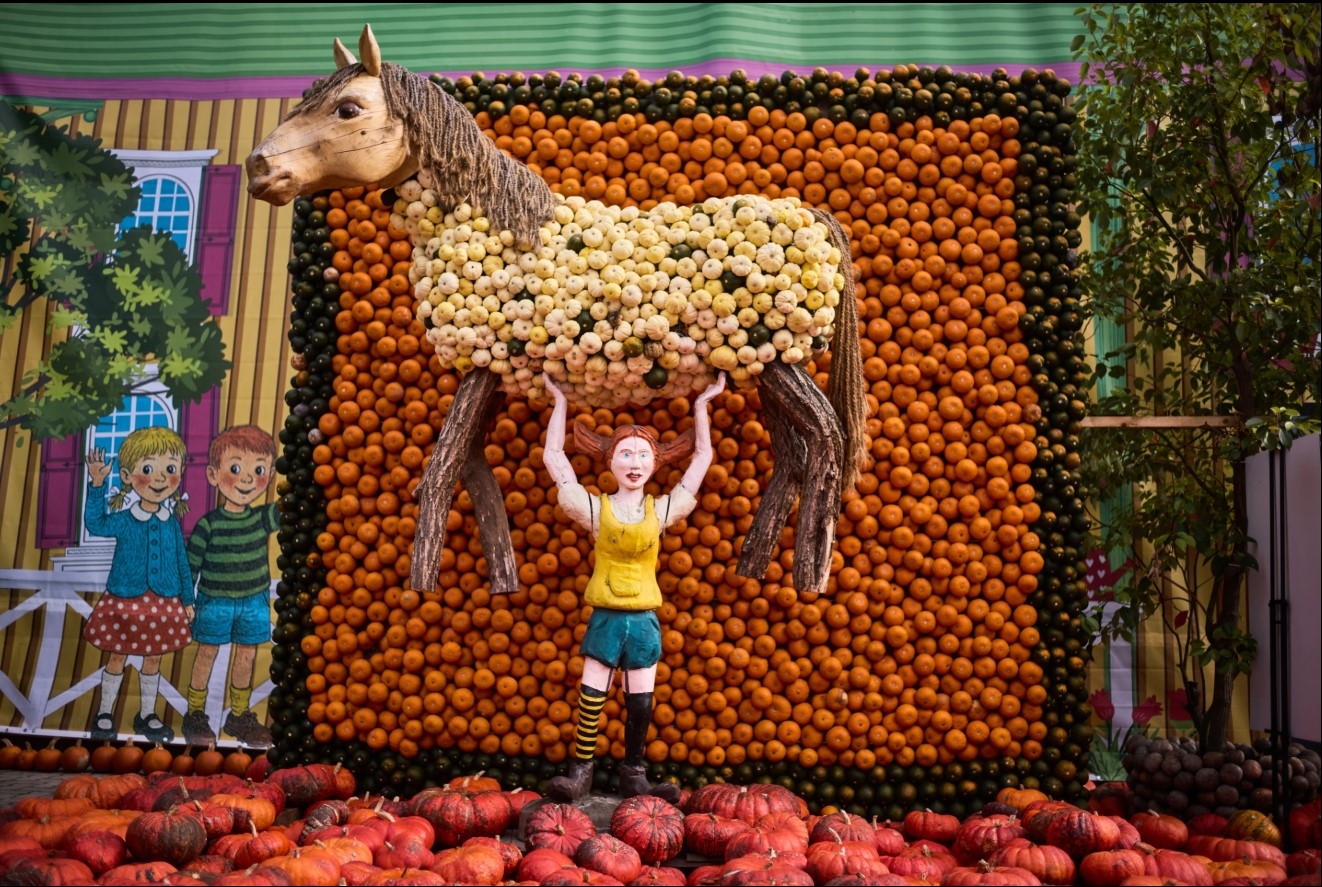
(AP photo/Markus Schreiber) “Pumpkin sculpture depicting fictional Swedish book character Pippi Longstocking is displayed at Klaistow’s farm’s annual pumpkin festival, which this year celebrates ‘powerful women’.” It is near Berlin, Germany. See the link below .
You should click on the link to see a fantastic pumpkin festival that has a 22 year history. They have several other sculptures that you should see of real-life women who were strong in a real life sense. I have never seen so many pumpkins in one place. Thank you to AP news for posting this story.
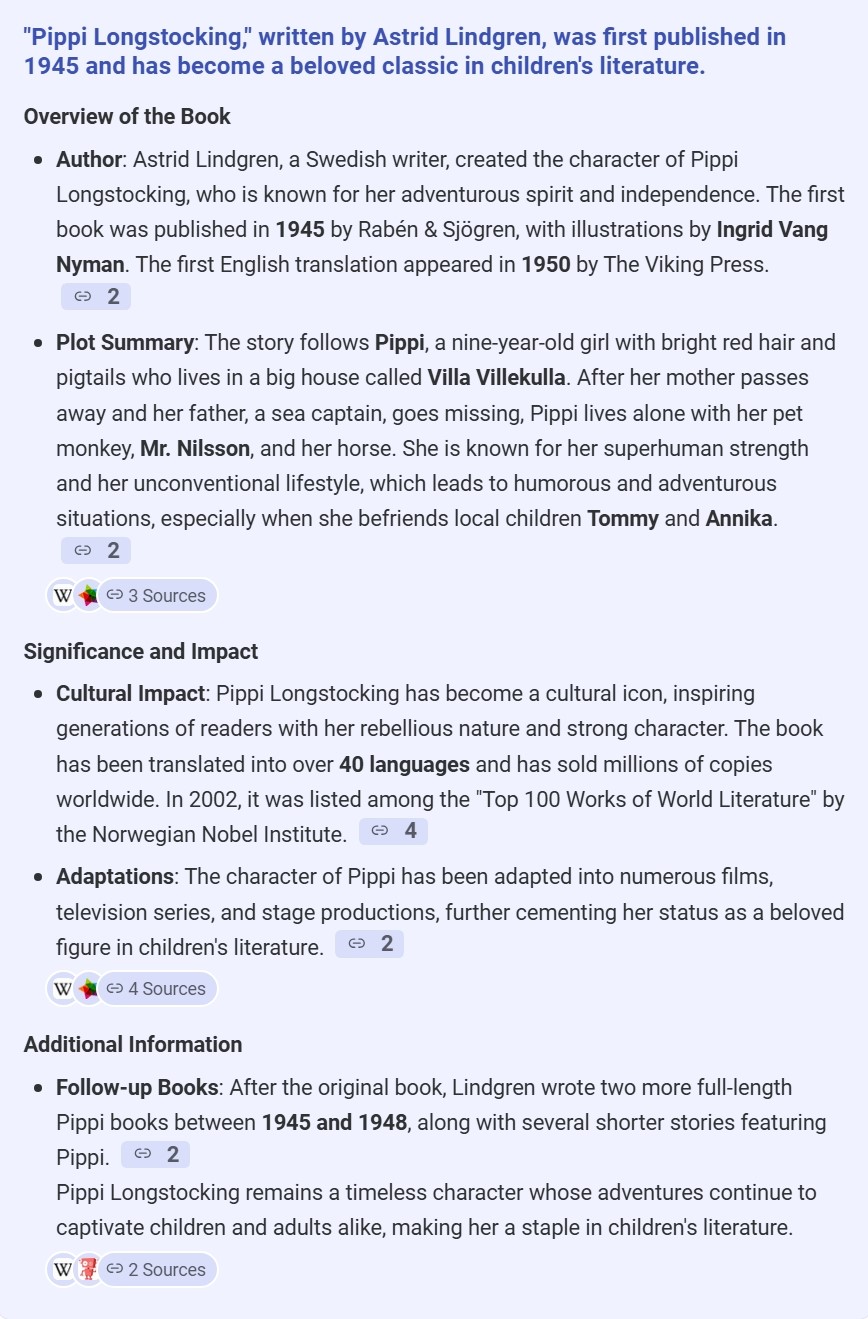
Pippi Longstocking books were enjoyed by me when I was a young girl. She was super naturally strong and this was depicted in the very first book where it shows her lifting her horse onto the porch of her home. She could overpower all men who tried to trick her or her friends. I will post a screenshot of the history of these books.
This AI summary was taken from a Bing search.
My own daughter, Laura, owns a few Pippi Longstocking movies.
I received a Pippi Longstocking book for Christmas when I was about 9 or 10. I have a picture to prove it. Unfortunately we cannot read which Pippi book it was. This picture is very old and of poor quality.
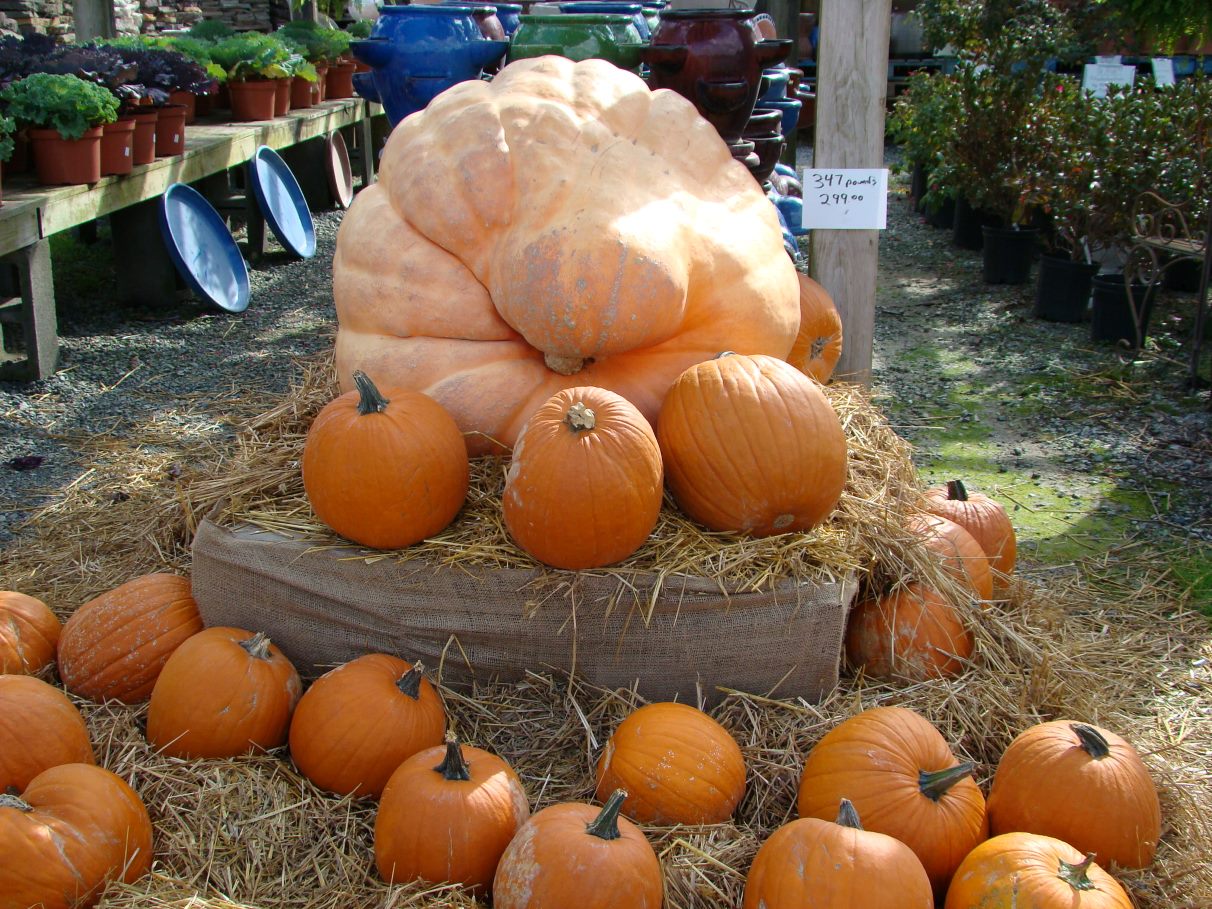
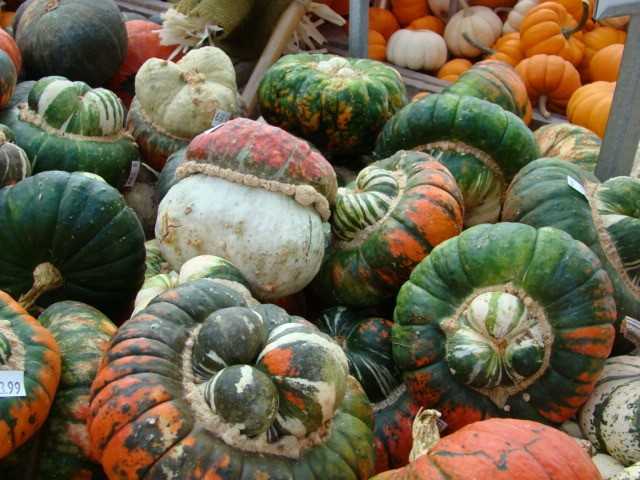
All these pictures were taken by me years ago at a road-side market in Berryville, Virginia.
Yesterday I was visiting several places in my community taking advantage of some rare time away from home and work. Most places I went I saw pumpkins and various other members of the gourd family.
Did you know that cucumbers were in the gourd family? I did not know this until today.
As I was walking into one of the stores I was visiting, I heard a little boy behind me ask whether he could have a pumpkin. I heard his father respond that pumpkins were for October. Without thinking, I responded, “Pumpkins are already in the stores.” Then as I slowed to get a shopping cart, the father smiled at me, and I realized that it was his lame excuse for not buying his son a pumpkin. I smiled back, and went on my way knowing my words could not be taken back. I hope the little boy will get his pumpkin, and I hope that he can draw faces on it or have his dad carve a friendly face on it.
I love the beauty and versatility of gourds. They are one of the reasons I love the fall season, and of course all the pumpkin breads, muffins, pies, and cookies that are available at this time of year. I saw my husband had a carton of a pumpkin spice high protein drink, and I winced at the thought of it. Is this carrying it too far?
Anyways, I went looking for my pumpkin pictures, and I was reminded of my husband’s Uncle Buddy and his llama farm. He is no longer with us, nor is the llama farm still there. All was sold off, and I believe the land was sold to a neighboring horse training farm. Time moves on and things can change. I will post a picture in honor of Buddy and his llamas. I am not sure whether his wife Cheryl is still alive. She left to be closer to some of her children.
I still have some llama wool items I purchased to help support the cause. I will have to pull out the llama wool blanket that I have never used for fear of ruining it. I might as well use it at this point since their is no good reason to ‘save it’.
Some of Uncle Buddy’s llamas near Berryville, Virginia. His property was a stone’s throw from the West Virginia and Virginia border. He was on the West Virginia side.
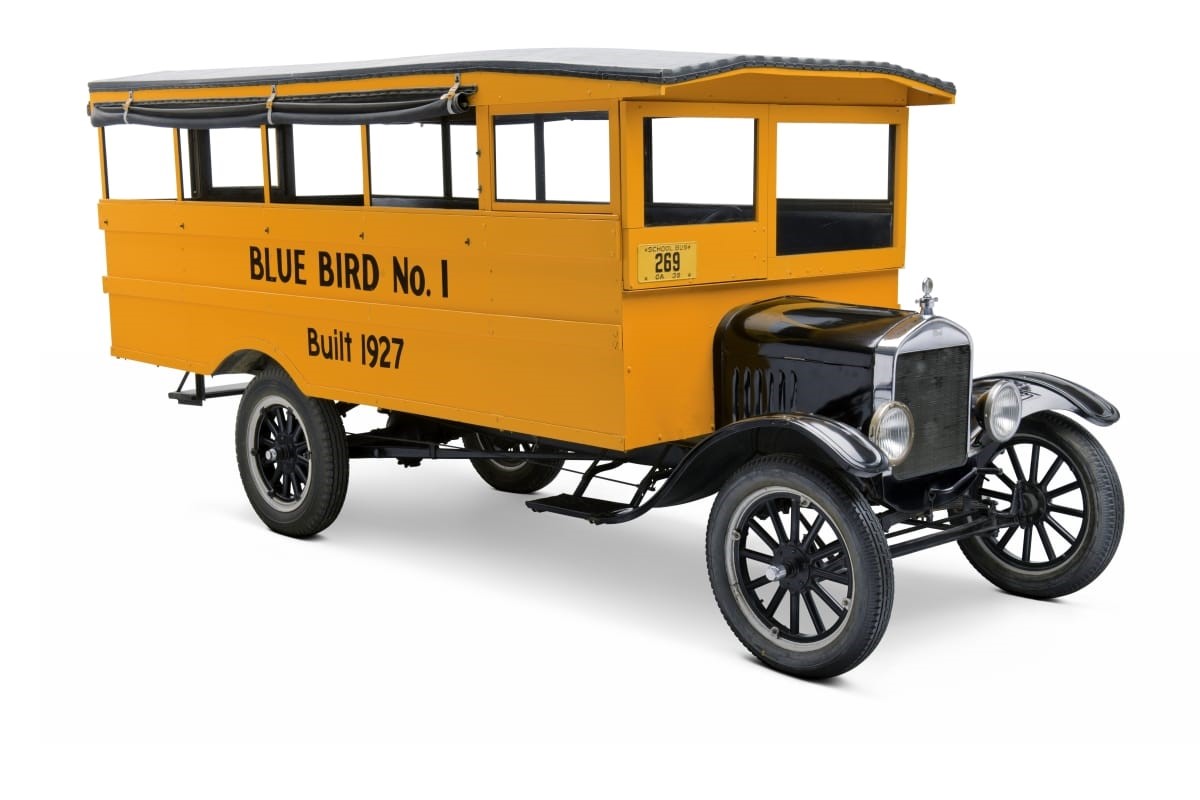
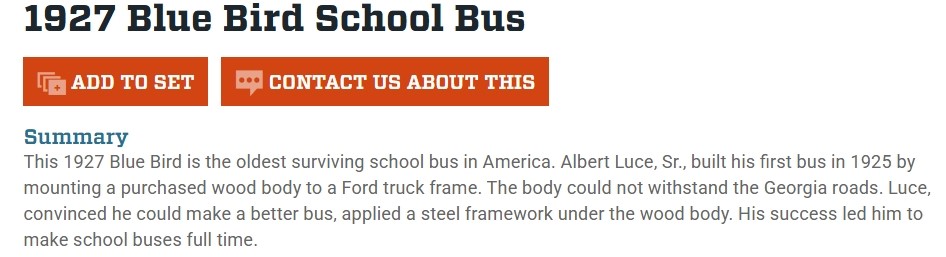
As I was thinking about going back to work, and about the students coming back to school this year (2025), I wondered about the history of the school bus. It is interesting to see the yellow color has survived multiple upgrades of the American school bus. In American history 7th graders will learn about Henry Ford and his model-T car. Go to the museum link I have provided in the caption under the picture of the Blue Bird No.1., and you will be able to read more about the oldest surviving school bus in America.

Fortunately for students today the buses are much safer and more comfortable than back in 1927. I hope everyone has a good beginning to this school year 2025.

I know I have a picture of my daughter getting on a school bus for the first time, however, I could not find the picture at this time, though I did find a picture of her on her first bike with training wheels. I also found a picture of Ivan the giraffe from our visit to the San Diego Safari Park. I have added the picture to my post about date palm trees, and I found a picture of my daughter and my mother at the Anne of Green Gable house on Prince Edward Island, and I have added this picture to my last Sunday Reflection post.
The weather today is hot and sticky, even early this morning when I went out to run a few errands. I have not been going outside as much as I would like, however, I have been taking care of myself getting preventive medical exams and other healthcare appointments.

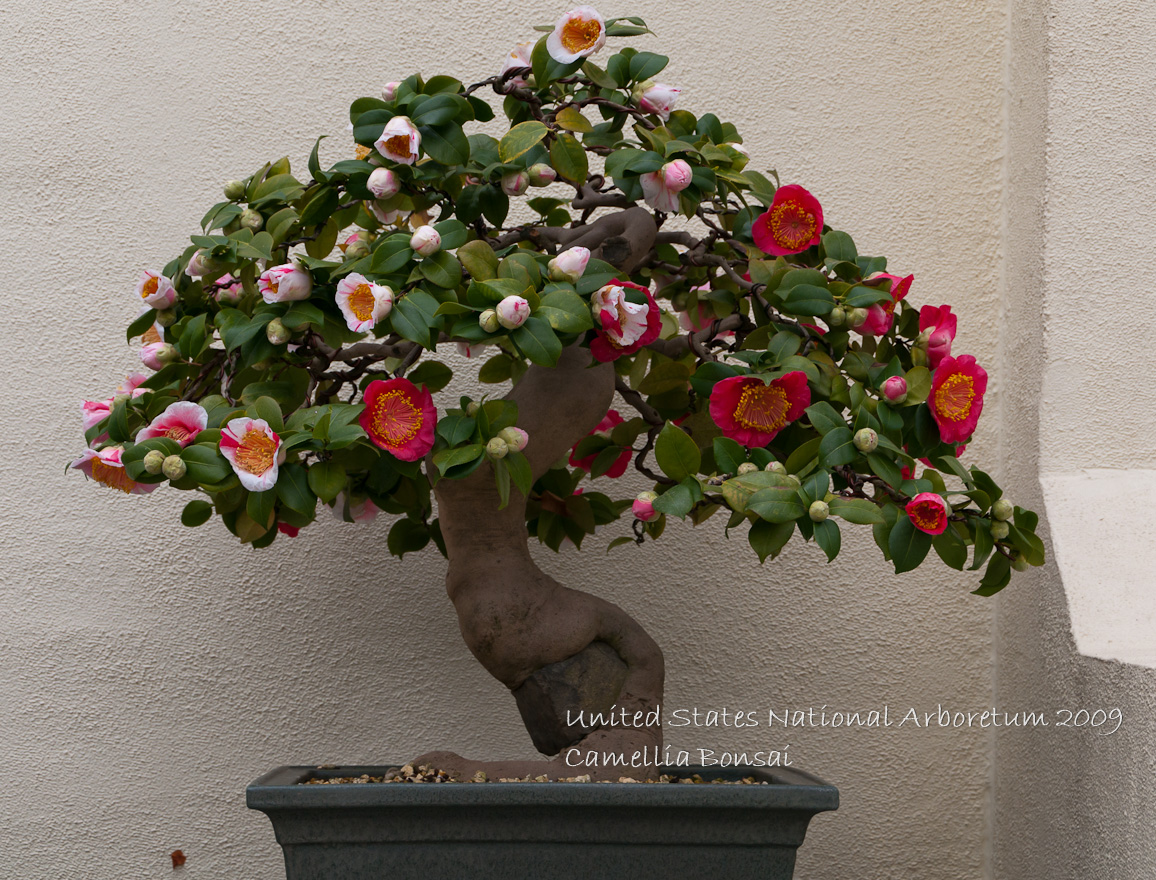
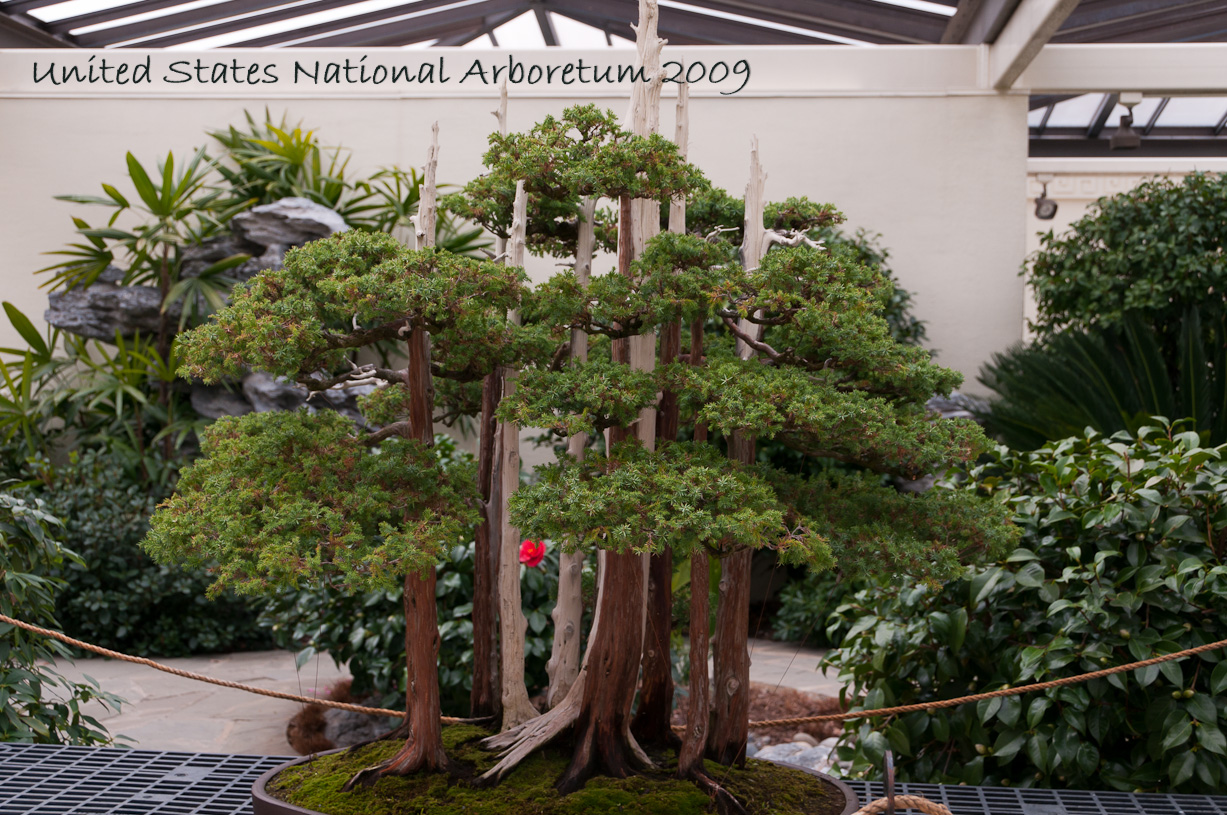
Today I want to spotlight the United States National Arboretum. Since I have been going through my old picture files, I found a folder of some pictures taken at the National Bonsai and Penjing Museum which is located on the arboretum grounds. It was mid- February of 2009, and we took a car trip into D.C. to visit the National Arboretum. Winter is not as busy as other times of the year, so parking was easily available and the admission is always free.
https://www.usna.usda.gov
I have shown only a few of my pictures that I took on this trip. I revisited the U.S. National Arboretum website to see what was going on there currently in 2025. I discovered the interactive map (ABE) which is very cool. It gives you a bird's eye view of all the arboretum grounds and where it is located within the district. It has a plant finder feature which is very useful if you love to discover new plants or explore variations of known plants.
One thing I could not find on their site was a little history of how it all got started. I found this website: https://livingnewdeal.org/sites/national-arboretum-washington-dc/

 If you have a child in school they will  learn about U.S. history. One unit of study will be the New Deal which was a program to help the U.S. recover from the stock market crash (1929) and the depression that followed. The link above gives more information about this. I have taken a screenshot about how the CCC (Civilian Conservation Corp) helped to lay down the groundwork of the U.S. National Arboretum.
Thinking about the school year ahead, you might want to plan a visit to the U.S. National Arboretum during the winter break when your children are under foot, and you want to enrich their learning at no substantial cost to the family budget.
















 movingforwardslowly